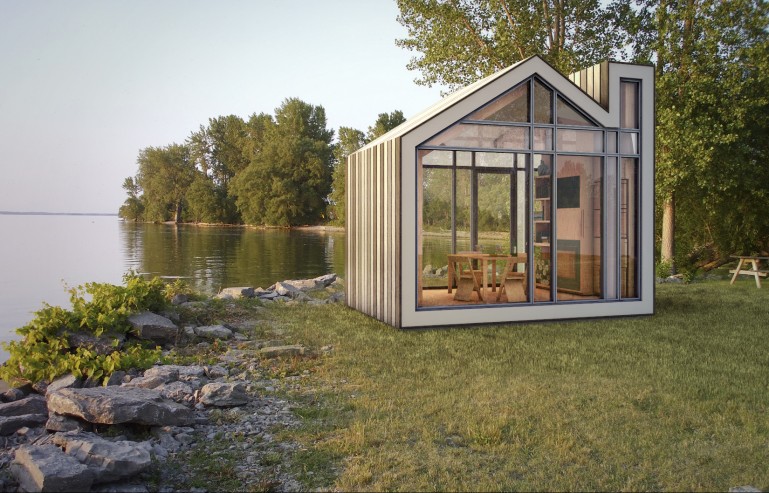
There are many, perfectly rational, even admirable reasons why we should all eschew the quintessential, American-style dream of living in a honking big house on a honking big lot. On a basic level, larger houses are more expensive to build, buy and keep up. They also tend to be energy hogs. Then there’s the cleaning – the more rooms there are, the more dust there is to bust.
Author Archives: mmhague
Coveted: Françoise Turner-Larcade’s Fragmented Mirror
Before Françoise Turner-Larcade moved from Paris to Toronto in 2000 to marry her Canadian boyfriend, she was a jewellery designer with a boutique on Avenue George V. The change in location inspired an artistic change in direction. Instead of crafting bobbles for the body, the French native decided to create jewel-like home decor. Her Fragmented Mirrors series has the shimmer of a sterling necklace studded with precious stones. The casing is made from raw steel—which has a warm, slightly weathered patina—and inset with clear, coloured and grey reflective glass. Each section of the mirror is set into the frame at a different depth, so that every panel reflects light and motion in different, unique way. $4,000–$9,000. Through roselandgallery.com, sales@avenue-road.com and contact@roselandgallery.com.
This piece originally appeared in the Globe and Mail on Thursday, October 17, 2013.
Five Ways to Take Your Basement from Grotto to Glorious
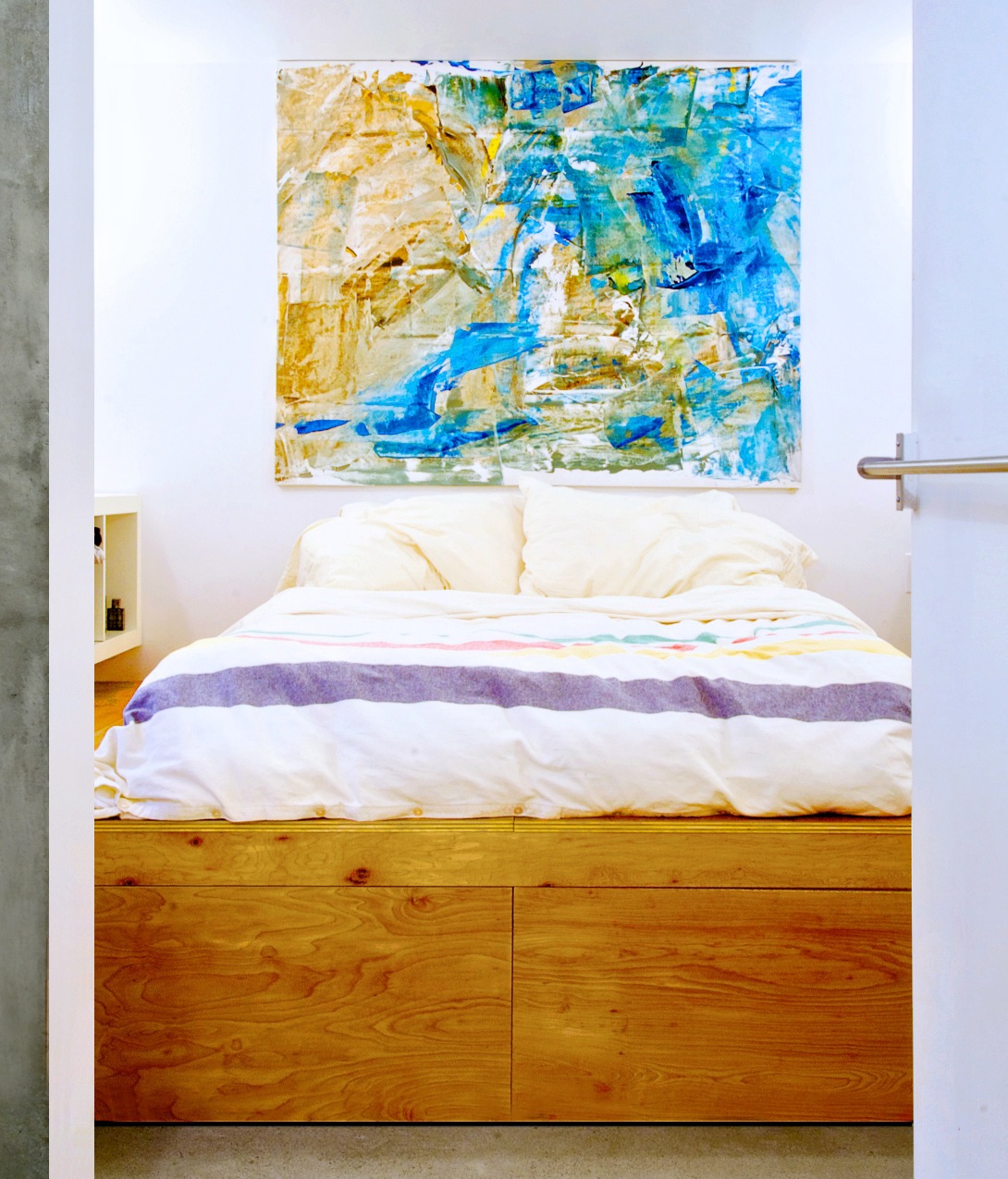
There’s something undeniably odious about the word basement. It unfailingly conjures up a spine-shivering image of something drafty, claustrophobic and dark. But subterranean living spaces offer an important opportunity to accommodate Canada’s shifting housing needs. They work well as in-law suites for downsizers, income rentals for empty nesters or extra sleeping quarters for families who’ve outgrown their current house but can’t afford a larger one in the country’s ever inflating real estate market. And, with the right eye for aesthetics, a basement apartment can be bright, airy and beautiful. It just takes the right lighting, wall finishes and window wells. Here, five tips from top design professionals on how to turn an underground grotto into something glorious. Continue reading
Great Spaces: Five Garage Conversions to Swoon Over
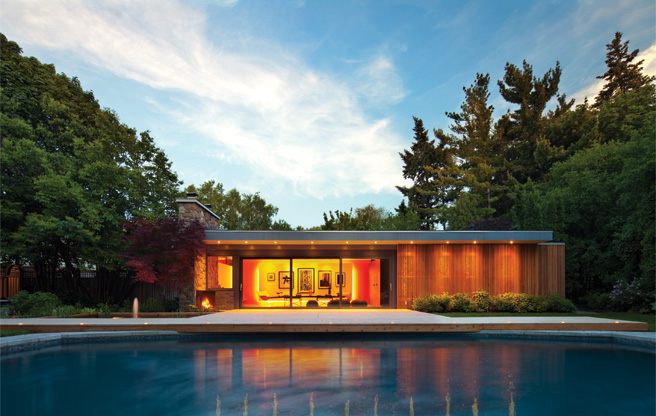
Torontonians don’t like compromise. We want to live in the city, and we also want guest rooms, art studios and dens. The answer? Convert out unused sheds, garages or pool into precious square footage. Here, five drool-worthy makeovers.
Who: Geoffrey Roche, a 60-year-old entrepreneur and former ad executive, and his wife Marie Claire
What: An 800-square-foot pool house with an office, dining area and sleeping quarters
Where: North York
For over 20 years, Roche was one of Canada’s top ad executives, but in 2011 he left the business to start a social media company called Poolhouse. He keeps an office at Yonge and Eglinton but often works in his backyard pool house, which is the perfect place to hold meetings, impress clients or steal away for a few hours of solitude. When he bought the property, the pool house looked like something out of That ’70s Show. Architect John Tong redesigned it with vibrant orange walls, two fireplaces (one inside, one outside) and a bar area, giving it the playfulness of a Silicon Valley start-up. At night, the place can be used for parties or poolside cocktails. And tucked in the back are a Murphy bed and bathroom for guests who’ve had a few too many to drive home.
Slow Furniture: Heidi Earnshaw Takes Her Time for Timeless Quality
As a reaction to mass manufacturing, the burgeoning slow furniture movement is a painstakingly careful, anachronistically plodding way to produce chairs, desks and credenzas. Everything is made using time-honoured carpentry techniques, out of elemental materials, without computer-guided machines and routers.
Acclaimed, Toronto-based Heidi Earnshaw is an advocate of the trend. Her designs have the subtlety of a Robert Frost poem and have been recognized by the Canada Council for the Arts, the Ontario Arts Council, and the Toronto Arts Awards.
Next month, she’ll be participating in IIDEX, Canada’s national design and architecture expo in Toronto.
Here, Earnshaw talks about her roots as a chainsaw artist, the miracles of vinegar and the importance of taking things slow.
A lot of people are unfamiliar with the term slow furniture. What does it mean to you?
Slow furniture is basically an offshoot of the slow food movement, which started in Italy in the 1980s as a reaction to the first McDonald’s opening in Rome. For me, it’s about creating furniture in a thoughtful and environmentally sustainable way while supporting local economies and using local resources.
Weathering the Storm: Creating a Home for New Climate Norms

This driveway in Don Mills, Ont., outfitted with the PG45 Paving Grid, supports the weight of a car while also sucking up excess water. (Green Innovations)
Right now is a white-knuckle time to be a homeowner. Not because of bubble worries in the condo market or fears of an interest-rate spike. Over the past few years, global warming has become undeniably more menacing. It has caused an increase in roof-wrecking, basement-flooding storms and the type of sweltering, seemingly endless heat wave that makes homes feel more like giant saunas.
Hive Mentality: New Homes for Nature’s Great Pollinators
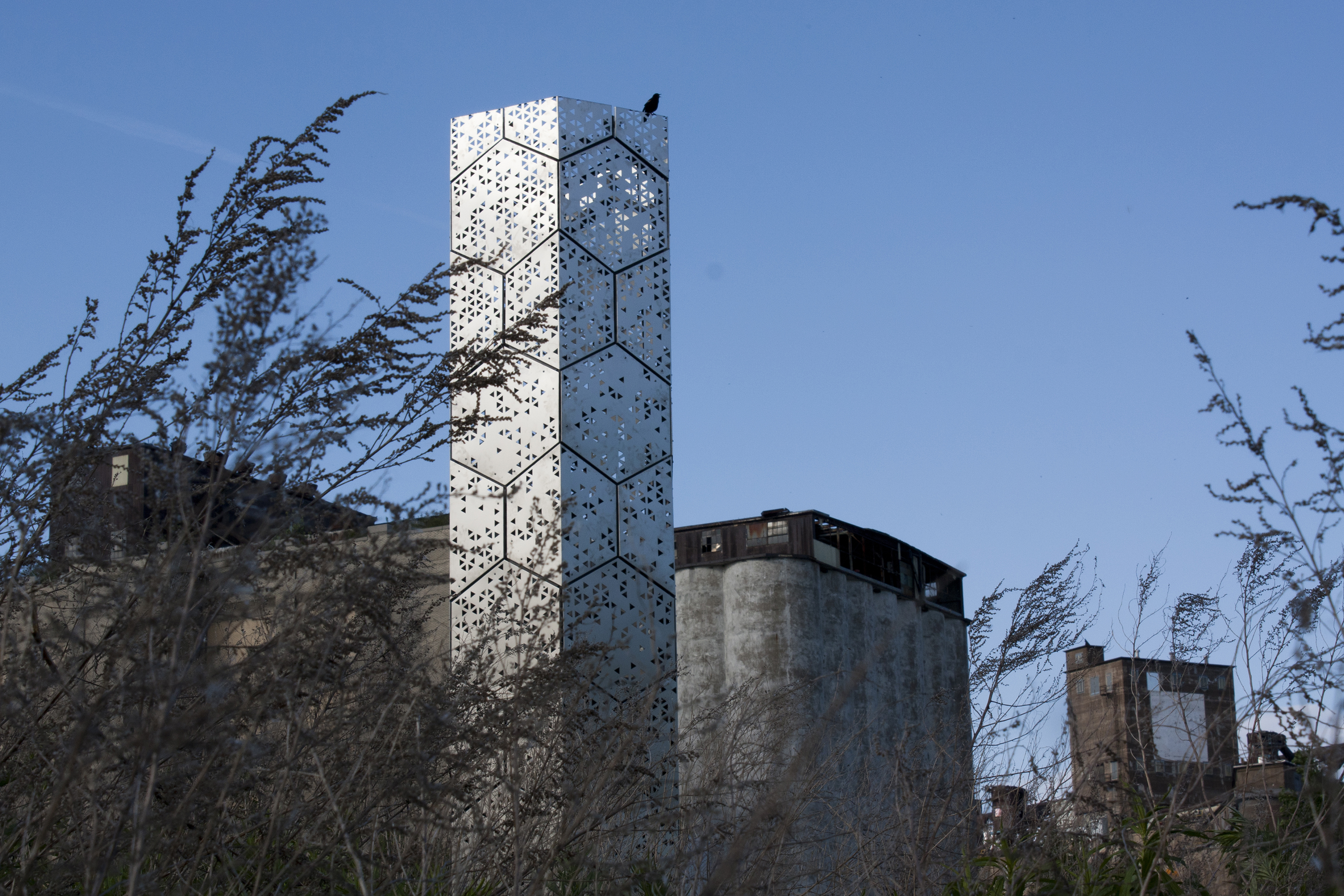
Every year, the AZ Awards, organized by Canadian design magazine Azure, celebrate cutting-edge architecture and interior design from around the world. The expected all-white buildings and futuristic furniture got nods at the most recent ceremony in downtown Toronto, but the $5,000 top prize was given to something decidedly more unusual: a man-made beehive erected on a derelict industrial site in Buffalo, N.Y.
Coveted: Peter Pierobon’s Coast Range Bar Console
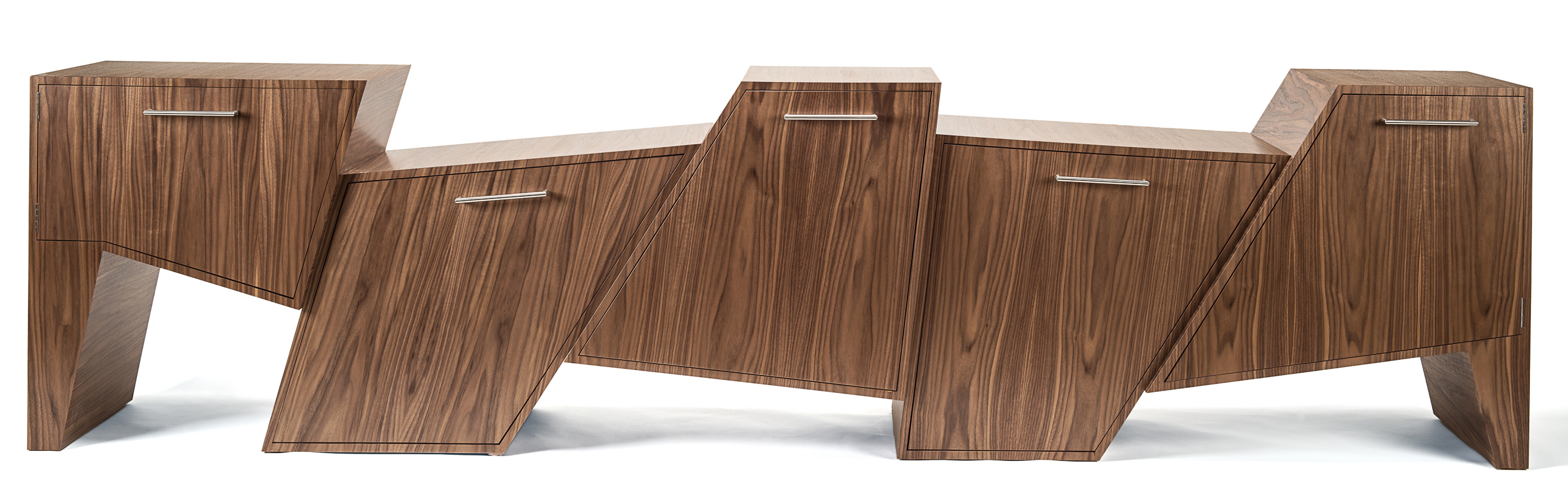
Post high school, Vancouver designer Peter Pierobon knew his future was in furniture (having had an epiphany while flipping through a tome of chairs and tables), but didn’t know where to learn the trade. Instead of simply signing up at a local community college, he bought a VW Westphalian (it was the early seventies) and travelled North America for 10 months looking for the perfect mentor. He found it in Wendell Castle, a renowned master craftsman equally well-versed in the artistic and engineering sides of design. Forty odd year’s later, Pierobon’s walnut side bar proves that he both learned his lessons well and continues to push himself. The form was inspired by to the beauty of the Rocky Mountains and is hand-constructed with laser-like precision – necessary when building with such complex geometries and colliding, slanted shapes. 36″ h x 15′ w x 28″ d. $19,500. Through peterpierobon.com.
This piece originally appeared in the Globe and Mail on Thursday, July 18, 2013.
Coveted: Molo’s Matcha Bowl
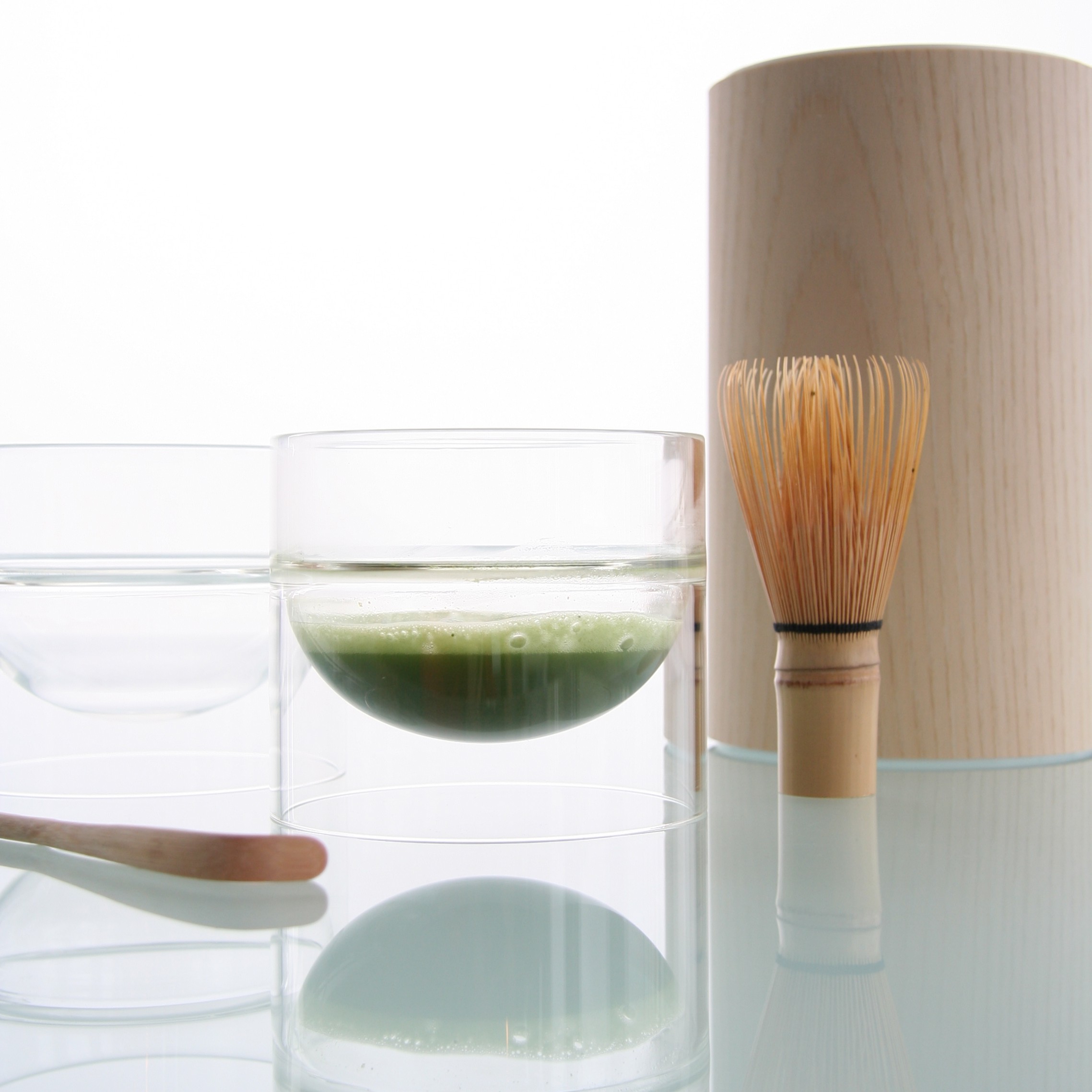
In all of our lives, there are short, daily rituals that become so routine that they are almost done unconsciously: a habitual, early morning jolt of coffee, for example, which is chugged for its caffeine rather than savoured for its flavours. To designers Stephanie Forsythe and Todd MacAllen—who run an award-winning studio in Vancouver called Molo—these humble habits are made memorable when undertaken with a sublimely beautiful object. Their Float Matcha bowl was inspired by a trip to Kyoto, after Forsythe and MacAllen sipped the namesake beverage—a high quality, antioxidant rich form of green tea—in a traditional teahouse along the Shirakawa Canal. The vessel can, of course, be used for the Japanese energy booster, but is proportioned equally well for lattes, soups, cereals or sorbets—everyday foods which look otherworldly in the seemingly weightless, ethereal glass cylinder. Float Matcha Bowl. 470ml. Approx. $100. Through molostore.com.
This piece originally appeared in the Globe and Mail on Thursday, July 11, 2013.
Coveted: Zoë Mowat’s Arbor Jewellery Stand
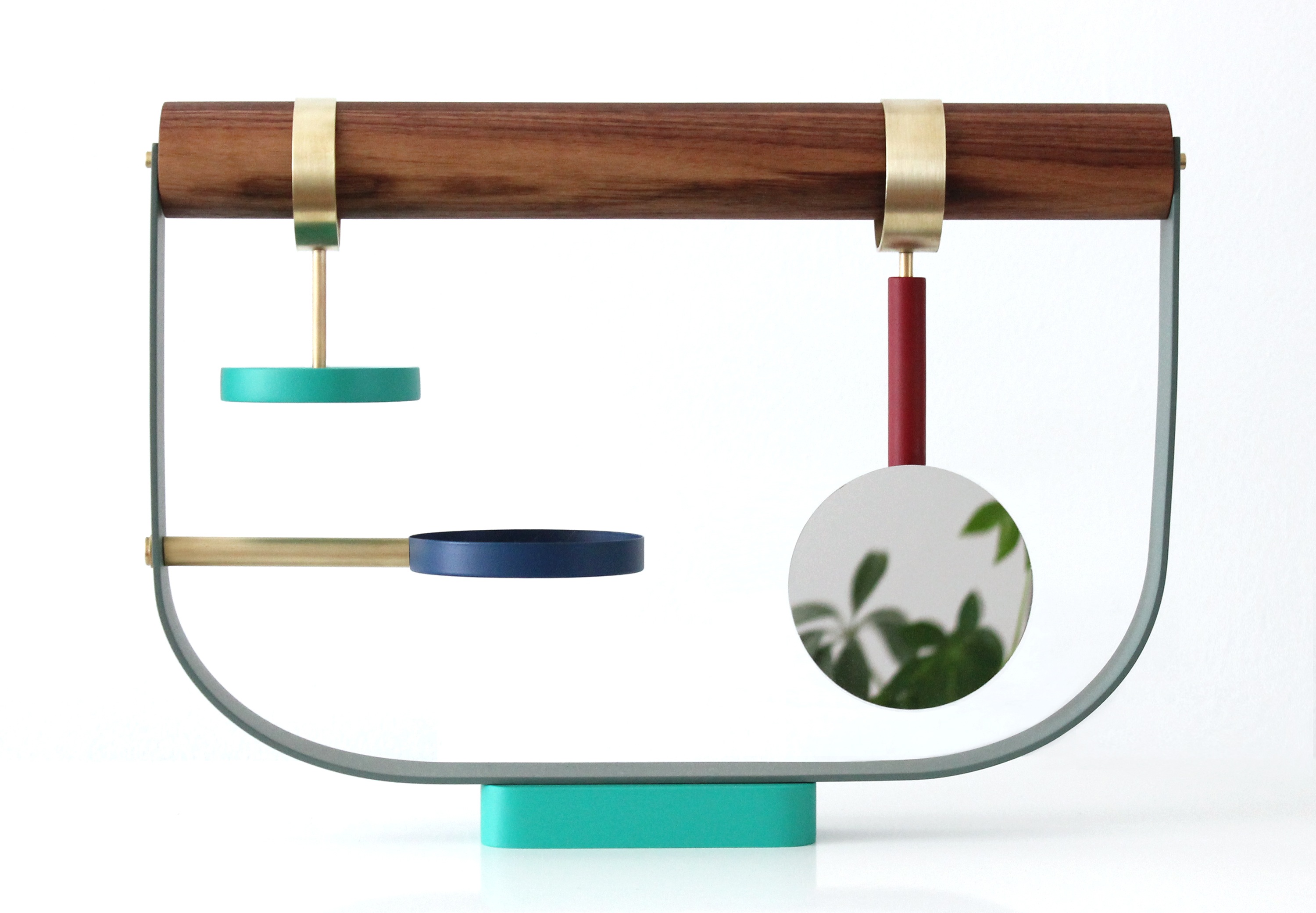
When an Australian bowerbird wants to attract a mate, it surrounds itself with eye-catching, often glinting things like shells, feathers and scarps of metals. Humans, of course, have a similar mating ritual: adorning bling. Which is why Montreal-based designer Zoë Mowat, after reading about the birds in National Geographic, was inspired to create her Arbor jewellery stand. Fittingly, the piece is replete with clever yet subtle aviary references. The shallow dishes for rings and earrings could just as easily be perches or feeders for plumed creatures. And when the sleek, hand-lathed walnut bar is hung with bangles, bracelets and amulets, it starts to look like a branch covered in simmering, sparkly leaves. Arbor Jewelley Stand. Price upon request. Through zoemowat.com.
This piece originally appeared in the Globe and Mail on Thursday, July 4, 2013.