Coveted: Riley McFerrin’s Tidal Flux Ottoman

The Tidal Flux Ottoman

The Tidal Flux Ottoman

Designer Riley McFerrin was raised in a place that celebrates its artificiality: Los Angeles. But because he married a Canadian (and hated L.A.’s smog), he now lives somewhere almost entirely natural: British Columbia’s serene Sunshine Coast. The unspoiled environs inspire his work. At his year-old studio Hinterland, he hand makes light fixtures from foraged beach branches, and crafts side tables that echo the crystalline shapes of the Rockies. His Tidal Flux Ottoman (co-created with his wife, illustrator Sara Gillingham, as well as fibre artist Coral Harding) takes after the humble, netted crab trap. The rope work – a mix of macramé, crochet and sailors’ knots – looks delicate but is highly durable. The cotton, wool and nylon cords are wrapped around a brass-covered, stainless-steel frame and are tied to withstand wind, rain and the roughest of seas. Tidal Flux Ottoman $3,000. hinterlanddesign.com.

This piece originally appeared in the Globe and Mail on Thursday, June 12, 2014.
Um, I Tried: My Attempt at 3D Printing

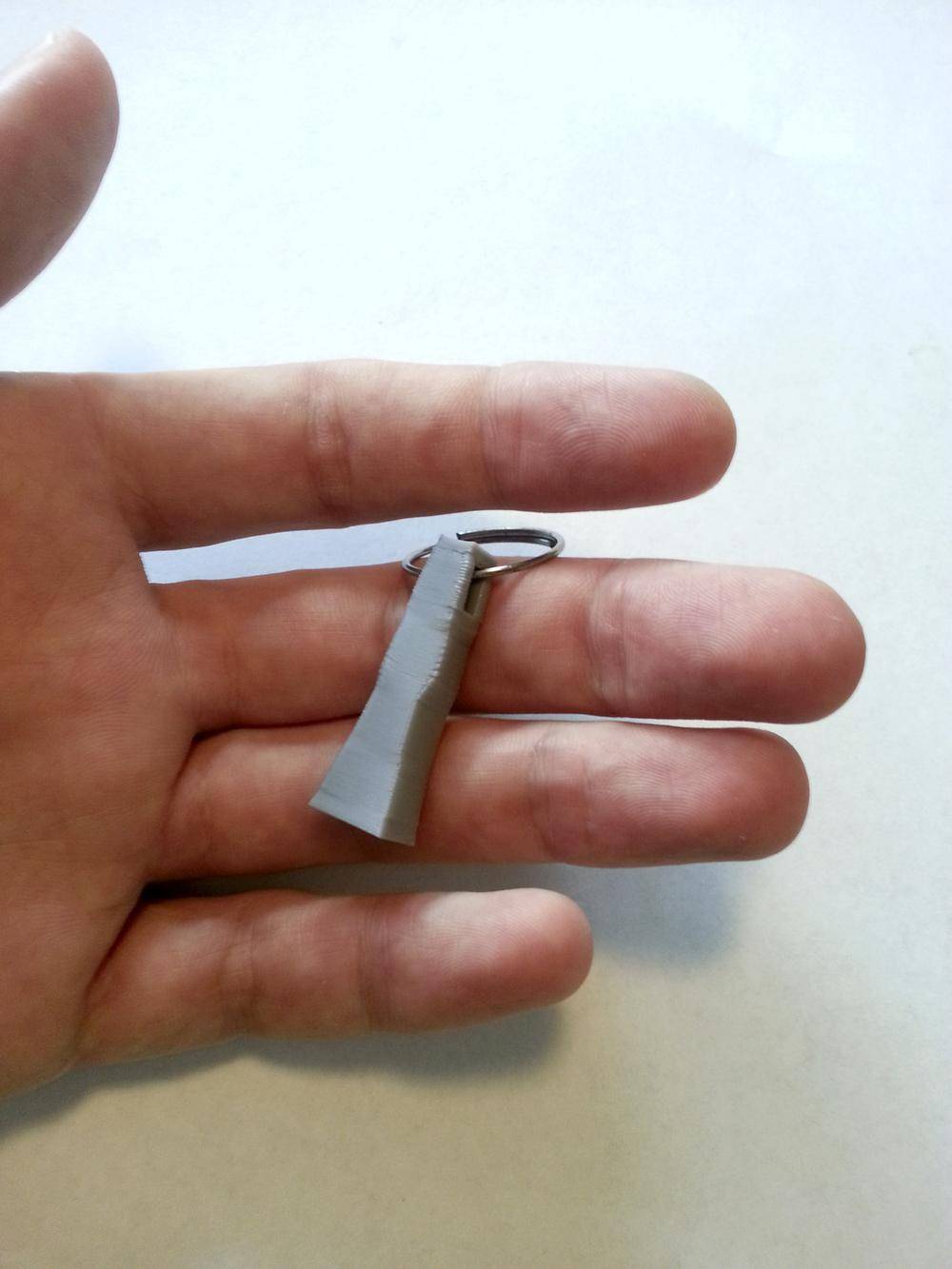
My 3D printed key chain

My 3D printed key chain

It’s fortunate I make my living as a writer: I’m uniquely ill-equipped to do anything else. But I recently got to play industrial designer. I took a workshop called 3D Printing for Total Beginners, hosted by Toronto’s Hot Pop Factory. In about two hours, I learned how to use 3-D modelling software, conceptualize an object and produce it on a desktop MakerBot printer.

I was eager to do the class for the same reason as many of my classmates, who came from a broad range of backgrounds, including banking, nursing, engineering and education. I wanted to play with the nascent technology, to see what I could build with a mouse and my imagination. 3-D printers and open-source design software promise to be the future. One day soon, they could transform the way we create, acquire and consume just about everything. Instead of going to the store or ordering online, we’ll print our own customized cutlery, toothbrushes, furniture – whatever – ourselves.

Continue reading

Umbra: Not Just for Garbage Cans Anymore

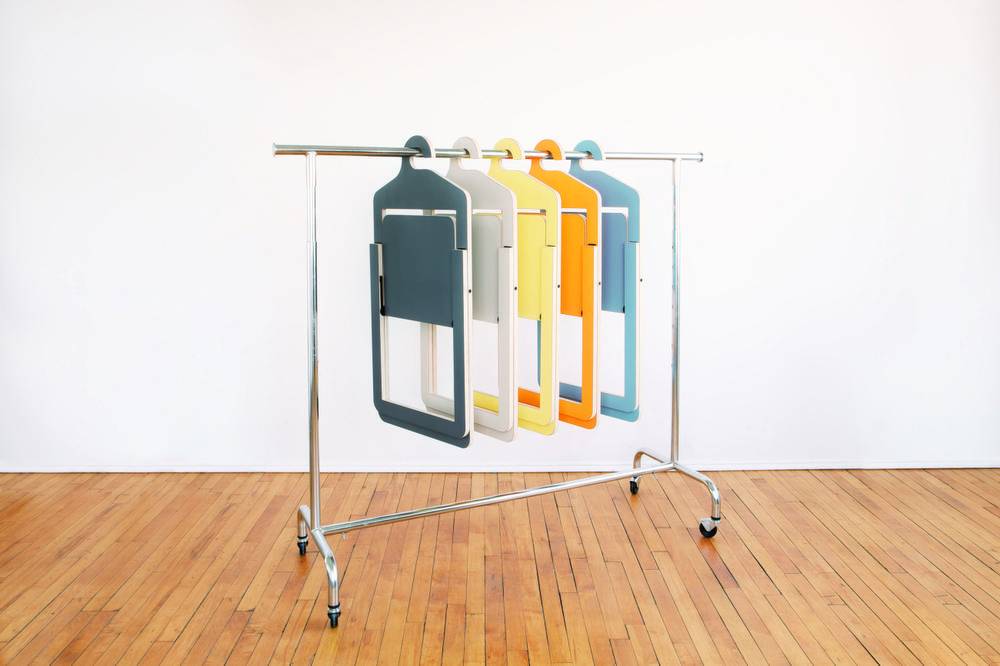
The Hanger chair by Umbra Shift and Philippe Malouin

The Hanger chair by Umbra Shift and Philippe Malouin

Until recently, Umbra, the Toronto-based, cheap-and-cheerful housewares producer (a bit like Ikea, only more plastics than particleboards), held a very specific place in mind. It was the brand that made my first, grown-up, moving-out-of-mom’s-house garbage can – the Garbo, designed by Karim Rashid, which I got on my way to university. In my late teens, I thought its plump, futuristic curves were cool (especially as mine was a silvery-blue colour). And it was cheap – likely less than a movie ticket, which is probably why almost everyone else I knew had one, too. So for me, Umbra will always conjure memories of my freshman room – decorated, as it was, on a dime. Something to remember fondly, if not to repeat.

Continue reading

DIY Shoes (Seriously)

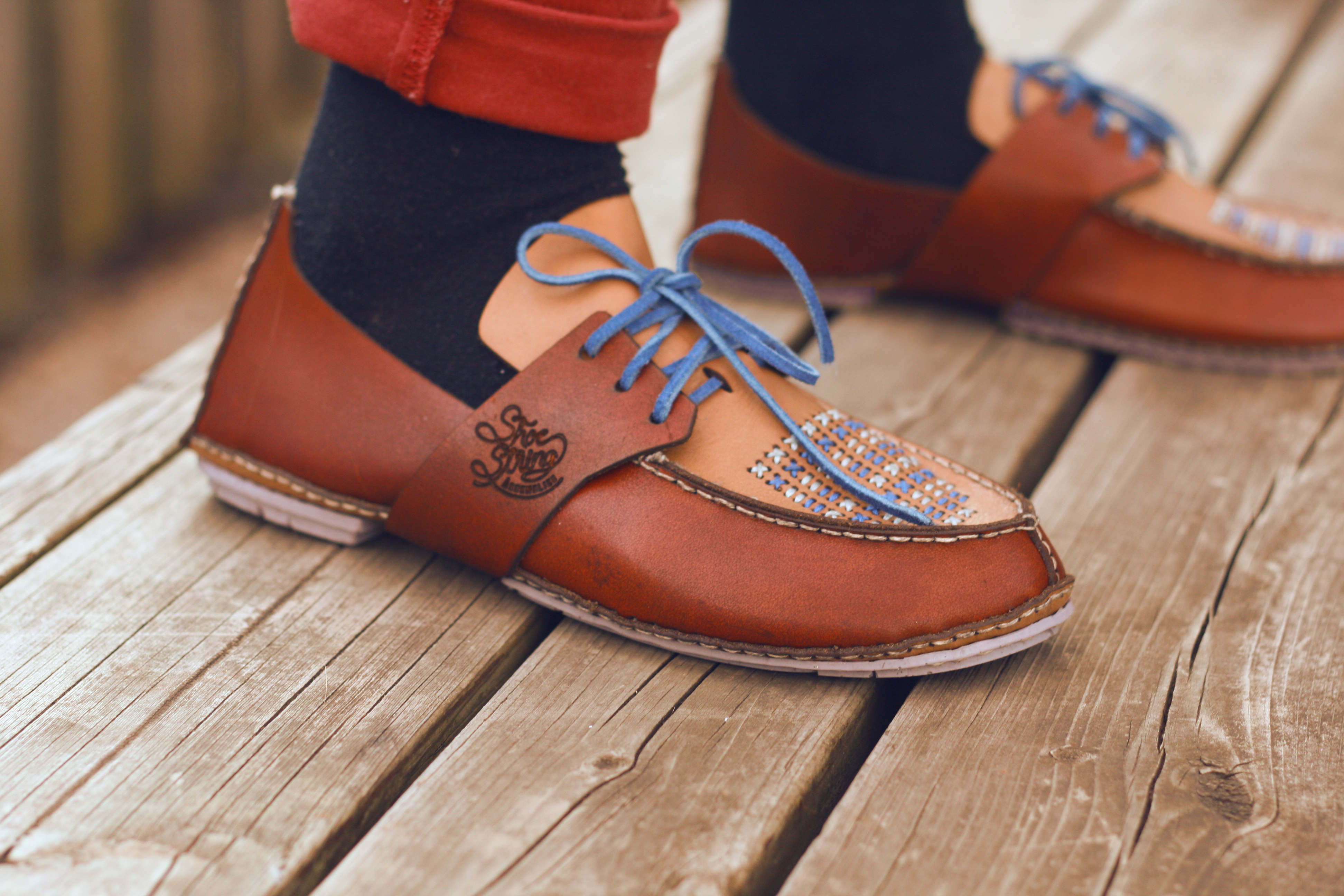
IMG_1244_1

Sarah Eldershaw’s DIY shoes

Thanks to the growing Maker Movement, more people are enthusiastic about reclaiming once foreign-made, mass-produced consumables. Whether it’s something old school such as macramé plant hangers, or cutting edge and technical such as computer hardware, DIYers are becoming more prevalent. Not to mention profitable. According to a recent Economist article, Brooklyn-based Etsy, for example, generated sales of more than $1-billion (U.S.) in 2013, the vast majority of which was driven by small, part-time, at-home producers (of which there are over one million worldwide).

Continue reading

Paper Vases: Aesthetically Edgy, Morally Sound

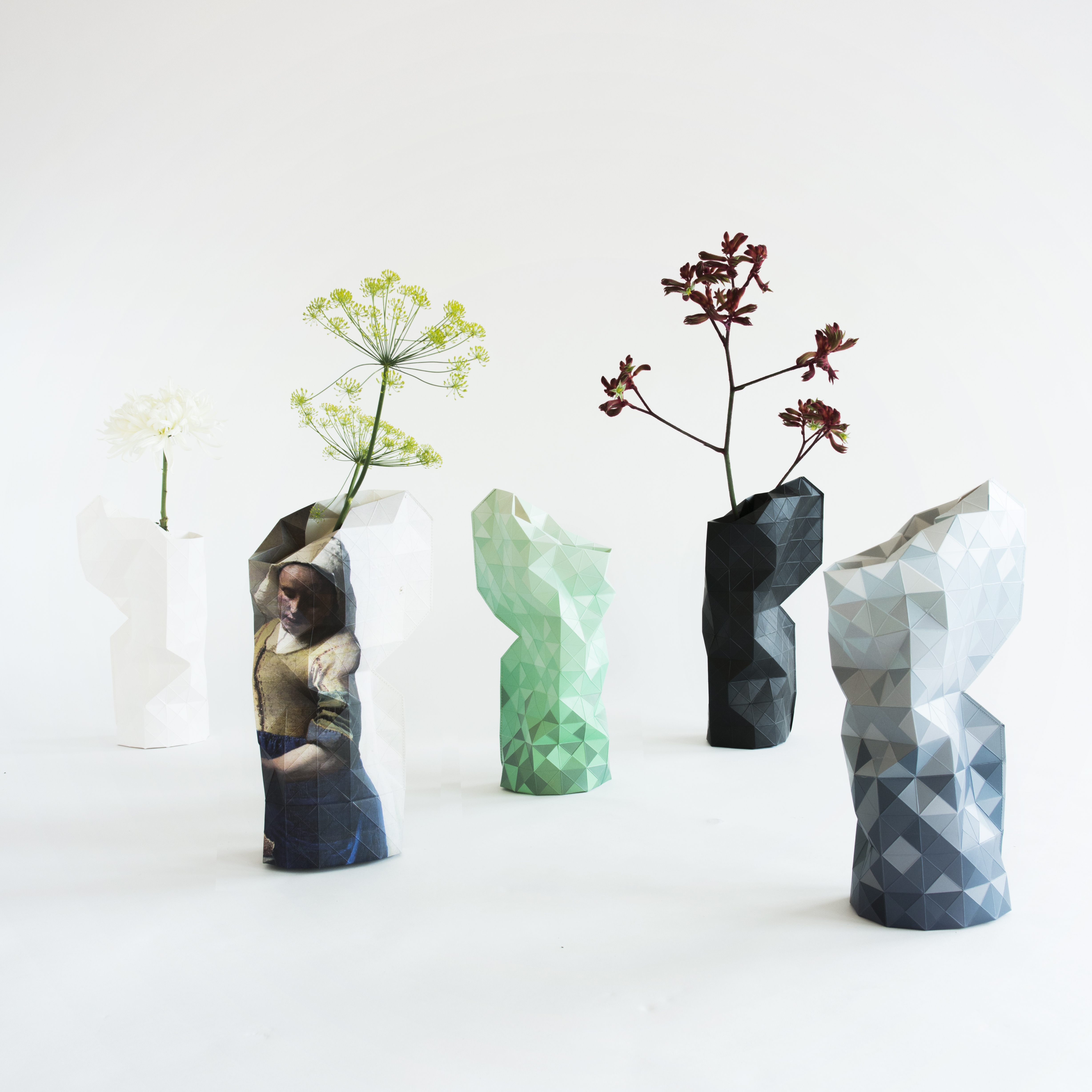
Pepe Heykoop's paper vase project. Photo by Annemarijne Bax

Pepe Heykoop’s paper vase project. Photo by Annemarijne Bax

It’s a familiar, often unfortunate equation: a designer (industrial, fashion etc.) from a wealthy country has a trend-setting idea, manufacturers it for pennies in an impoverished country and then sells it for a premium without sharing the riches with the labourers who made it.

Dutch designer Pepe Heykoop is trying to create a new paradigm. His paper-vase project is both aesthetically edgy and morally sound. It was recently shown at the largest furniture fair in the world, Salone Internazionale del Mobile in Milan, Italy, where the influential design blog Dezeen called it a “a runaway success.” The business model for the vases is helping raise a community in Mumbai out of severe poverty.

Continue reading

Coveted: Chari Cohen’s Match Strikers

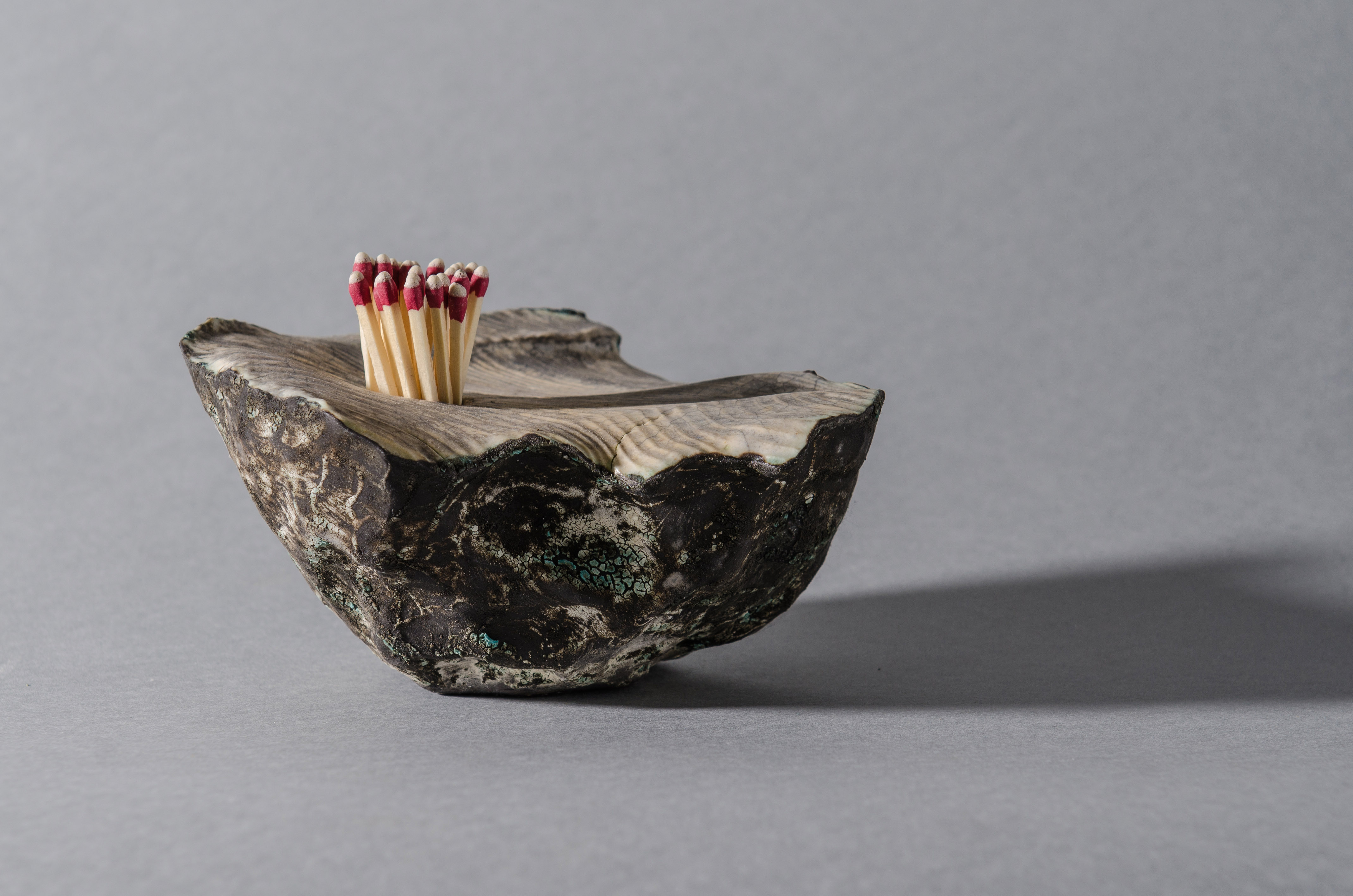
Chari Cohen's match striker

Chari Cohen’s match striker

Ceramicist Chari Cohen always admired the elegance of her mother-in-law’s Shabbat dinner table, laid as it was with stately silver candlesticks and a white tablecloth. She always thought the scene was slightly marred, however, when a basic box of matches would be set next to the finery (more so when a burnt-out match would be placed on the rim of one of the candlesticks). To fix the picture, Cohen – who first learned her trade at the Royal Melbourne Institute of Technology in Melbourne, Australia – created her own line of match strikers. Every mini sculpture has a pot to keep the unlit matches, ridges to lay the charred remains on and a bumpy glaze to strike against. Each piece echoes the artist’s love of Canada’s landscape (she’s originally from Alberta and now lives in Toronto). Rocky outcrops, prairie fields and riverbeds are reflected in the shapes and colours of the clay. From $45 to $75. Through charicohen.com.

This piece originally appeared in the Globe and Mail on Thursday, April 17, 2014.

How Knitting Got Its Groove Back

Photo c/o Yarn Bomb Yukon and Tyler Kuhn

Photo c/o Yarn Bomb Yukon and Tyler Kuhn

To many people, knitting might just be as anachronistic as an episode of Downton Abbey. And maybe it is. (It’s certainly been around longer than Maggie Smith.)

As fusty as knitting may be, the craft is cool again. It’s been embraced by just about everyone, from athletes and movie stars to urban hipsters and biology geeks.

Continue reading

Kelly Wearstler: Carpet Master

Kelly Wearstler's Serpent rug for the Rug Company

Kelly Wearstler’s Serpent rug for the Rug Company

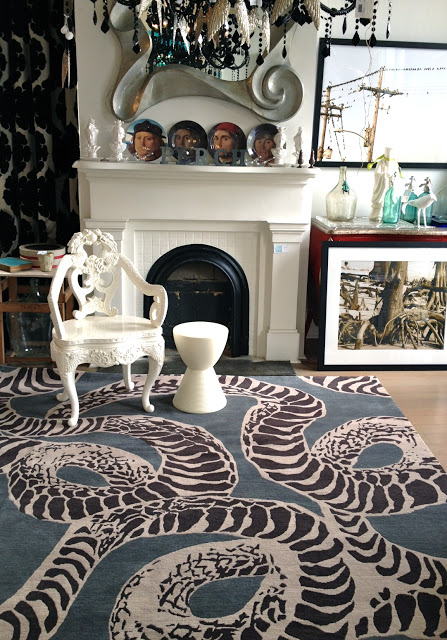
Interior designer Kelly Wearstler has had a career trajectory likely only possible in her adopted hometown of Los Angeles. Starting out in the early nineties, she was a waitress turned Playboy centrefold turned interior designer to the stars: her modelling money helped launch her studio; her glitzy clients include Gwen Stefani and Cameron Diaz.

Now Wearstler runs a global lifestyle brand: She has her own fashion, jewellery and furniture lines, and has written four books, each documenting the kind of maximalist, explosively colourful interiors that have helped make her famous. She also creates carpets for the Rug Company, a renowned London-based tapestry manufacturer run by Christopher Sharp. He’s never been in Playboy, but has collaborated on floor coverings with many of the world’s top designers, including Paul Smith, Vivienne Westwood and Alexander McQueen.

Continue reading

Not Lame: Living with Your Parents

Photo by Marc Cramer. Design by Henri Cleinge

Photo by Marc Cramer. Design by Henri Cleinge

Ramona Omidvar is part of a growing cohort of young professionals who expects to eventually share a home with her parents, as well as her two children, currently 2 and 5.

The reason for blending the households isn’t financial – both Omidvar and her husband, who asked not to be named, have good jobs (she’s a policy analyst with the Ontario government, he works in banking), as do her parents (Ratna, her mother, is an Order of Canada recipient and president of the Maytree Foundation; Mehran, her father, is an engineer).

Continue reading

Coveted: Judson Beaumont’s Squiddy Table

Squiddy_high_res1

Judson Beaumont’s Squiddy Table

Much of designer Judson Beaumont’s furniture has a Disney-like sense of innocence: curvaceous, cartoon-inspired pieces that look poised to, at any moment, burst into a rendition of Be Our Guest from Beauty and the Beast. His Squiddy table, on the other hand, comes from a darker, though still whimsical, place. Beaumont got the idea one day when he noticed some offcuts of alder in his Vancouver studio. The slivers reminded him of the super long, super skinny legs of a Tim Burton character. Jack Skellington, for example, or Victor van Dort. He embraced the creepy quality and started hand-carving similar members. The effect is chillingly cool, as though the squiggly fronds are stopped mid-scuttle as they scurry across the floor. 36″ w. x 18” h. x 16” d. From $1,500. Through straightlinedesigns.com.

This piece originally appeared in the Globe and Mail on Thursday, March 6, 2014.