Coveted: Molo’s Matcha Bowl

Molo's matcha bowl

Molo’s matcha bowl

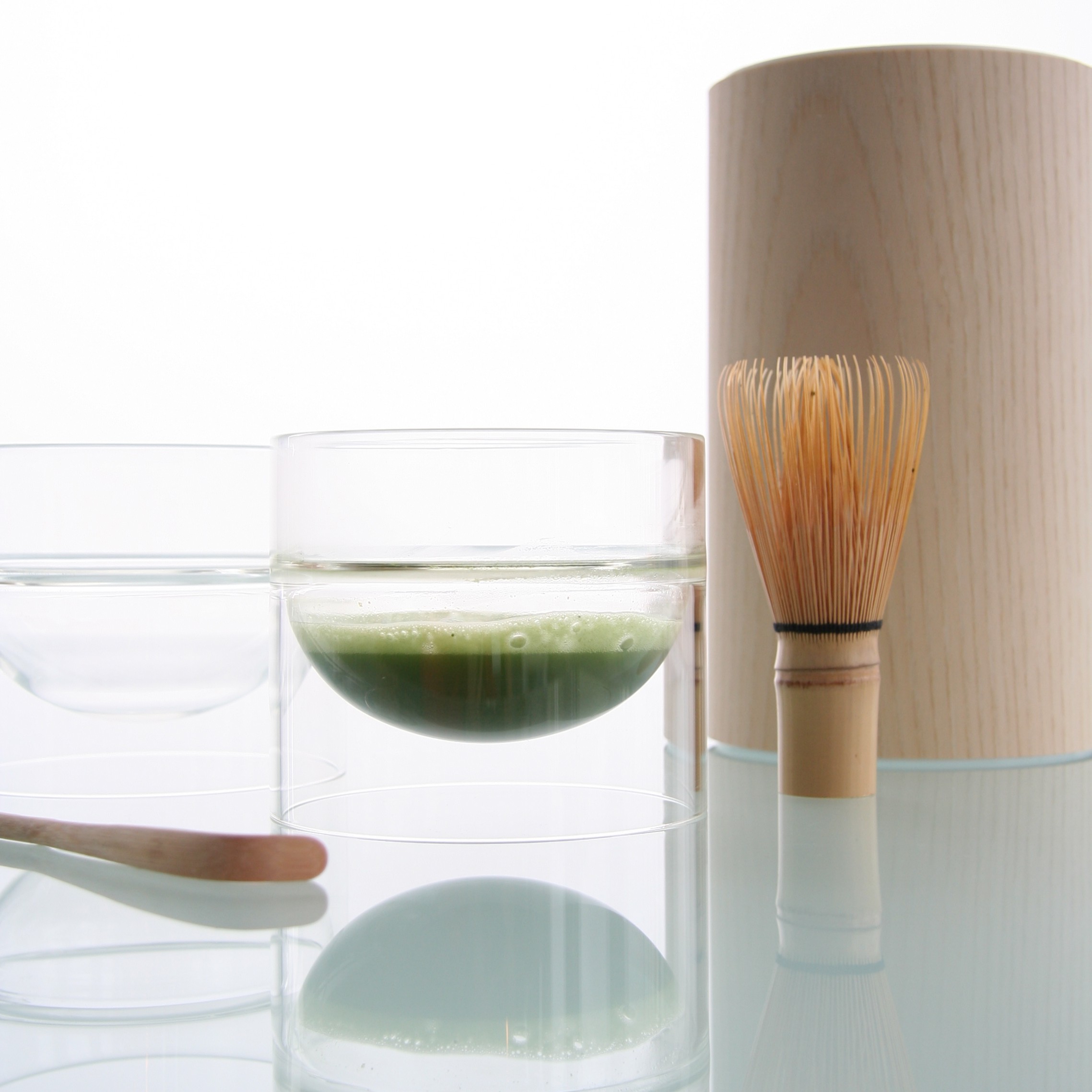
In all of our lives, there are short, daily rituals that become so routine that they are almost done unconsciously: a habitual, early morning jolt of coffee, for example, which is chugged for its caffeine rather than savoured for its flavours. To designers Stephanie Forsythe and Todd MacAllen—who run an award-winning studio in Vancouver called Molo—these humble habits are made memorable when undertaken with a sublimely beautiful object. Their Float Matcha bowl was inspired by a trip to Kyoto, after Forsythe and MacAllen sipped the namesake beverage—a high quality, antioxidant rich form of green tea—in a traditional teahouse along the Shirakawa Canal. The vessel can, of course, be used for the Japanese energy booster, but is proportioned equally well for lattes, soups, cereals or sorbets—everyday foods which look otherworldly in the seemingly weightless, ethereal glass cylinder. Float Matcha Bowl. 470ml. Approx. $100. Through molostore.com.

This piece originally appeared in the Globe and Mail on Thursday, July 11, 2013.
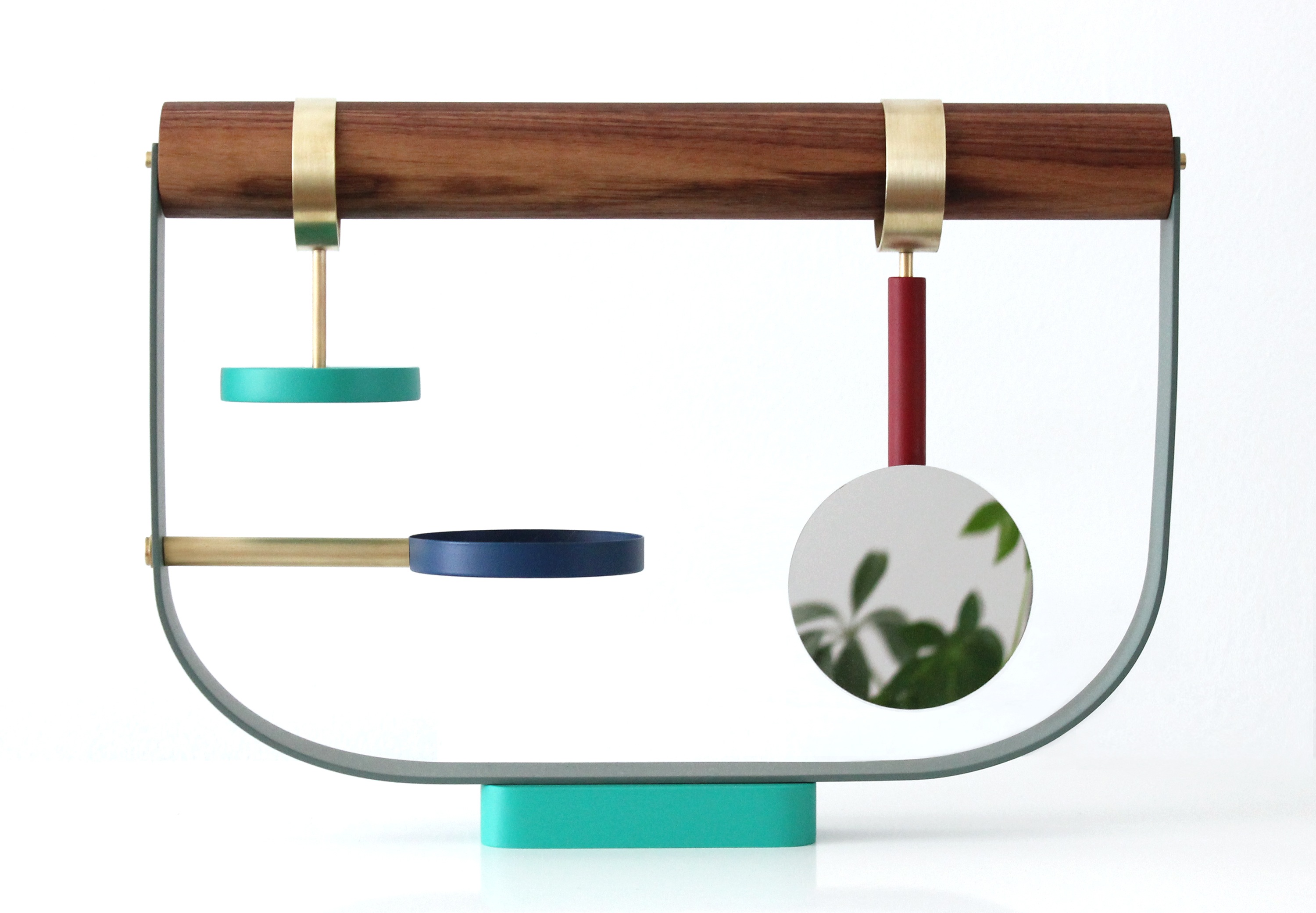
Coveted: Zoë Mowat’s Arbor Jewellery Stand

A jewellery stand inspired by birds

A jewellery stand inspired by birds

When an Australian bowerbird wants to attract a mate, it surrounds itself with eye-catching, often glinting things like shells, feathers and scarps of metals. Humans, of course, have a similar mating ritual: adorning bling. Which is why Montreal-based designer Zoë Mowat, after reading about the birds in National Geographic, was inspired to create her Arbor jewellery stand. Fittingly, the piece is replete with clever yet subtle aviary references. The shallow dishes for rings and earrings could just as easily be perches or feeders for plumed creatures. And when the sleek, hand-lathed walnut bar is hung with bangles, bracelets and amulets, it starts to look like a branch covered in simmering, sparkly leaves. Arbor Jewelley Stand. Price upon request. Through zoemowat.com.

This piece originally appeared in the Globe and Mail on Thursday, July 4, 2013.

7 Ways to Rock Your Home With Marble

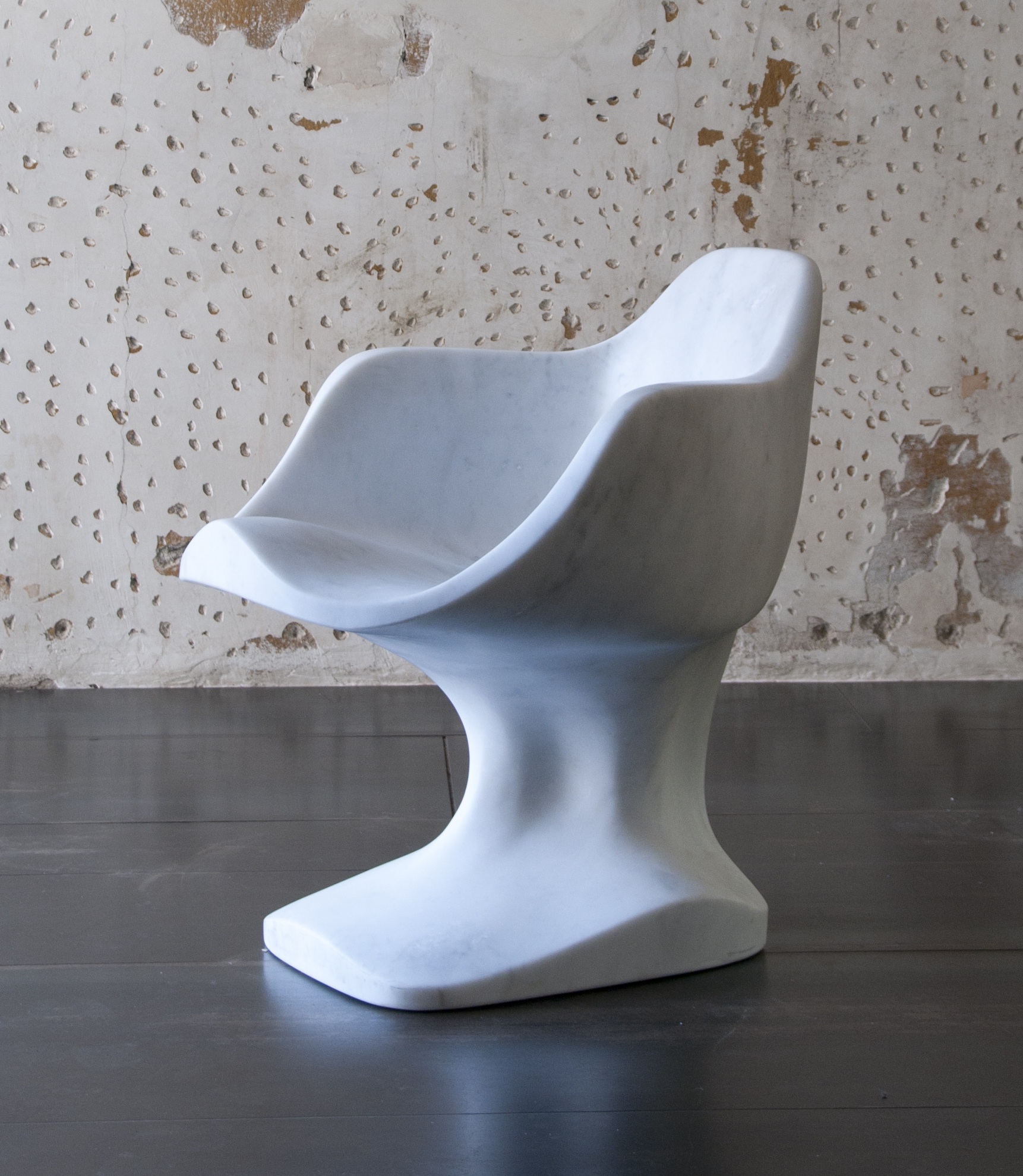
The Bust Chair

The Bust Chair

Marble is to geology what Cher is to the entertainment industry: hard and soft at the same time with an endless capacity for reinvention and an unquestionable ability to dazzle.

The only difference is that marble has been beloved for a few (thousand) years longer — even if both the stone and the singer look strangely ageless. Continue reading

Nice Weave: How Ancient Basket Making is Inspiring Contemporary Furniture

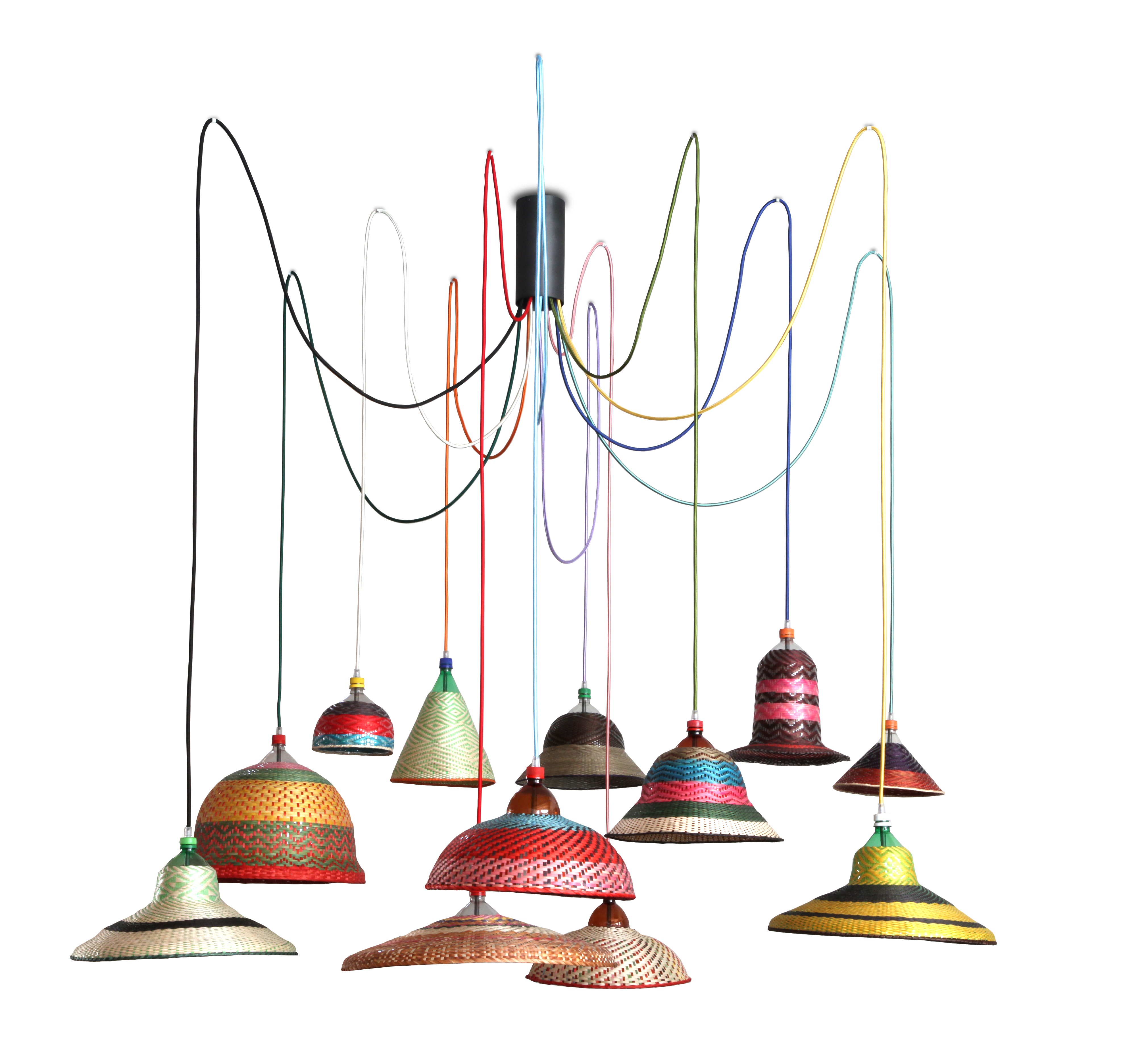
Pendants made from woven pop bottles

Pendants made from woven pop bottles

Basket weaving is one of the oldest known handcrafts. It predates pottery and, for at least 10,000 years, has been a vital means of transforming leaves and grass into vessels for storage and transportation.

These days, even at a time when furniture production has never been more high-tech — it’s possible for a designer to model a chair, light fixture or vase on his laptop, then e-mail the specs to manufacturers all over the world for almost instant 3-D printing — the anachronistic warp and weft still has an important influence.

Continue reading

Marcel Wanders on Being Compared to Madonna and Not Being ‘Boring’

Designer Marcel Wanders. Photo by Moe Doiron

Designer Marcel Wanders. Photo by Moe Doiron

As a testament to his longevity, rock-star status and sheer ingenuity, designer Marcel Wanders has been called both the Madonna and the Lady Gaga of the furniture world.

The comparisons seem fair when considering his furniture. The Amsterdamer eschews the minimal aesthetic of peers like Philippe Starck in favour of adding a subversive – sometimes kitschy – touch to the familiar and iconic. In 2008, when designing the interiors of Miami Beach’s Mondrian Hotel, for instance, he paid homage to his Dutch heritage by festooning the rooms with blue-and-white Delft tiles. But instead of windmills and bunnies, his ceramics featured sharks and beach babes.

Continue reading

The Comeback: Art Deco

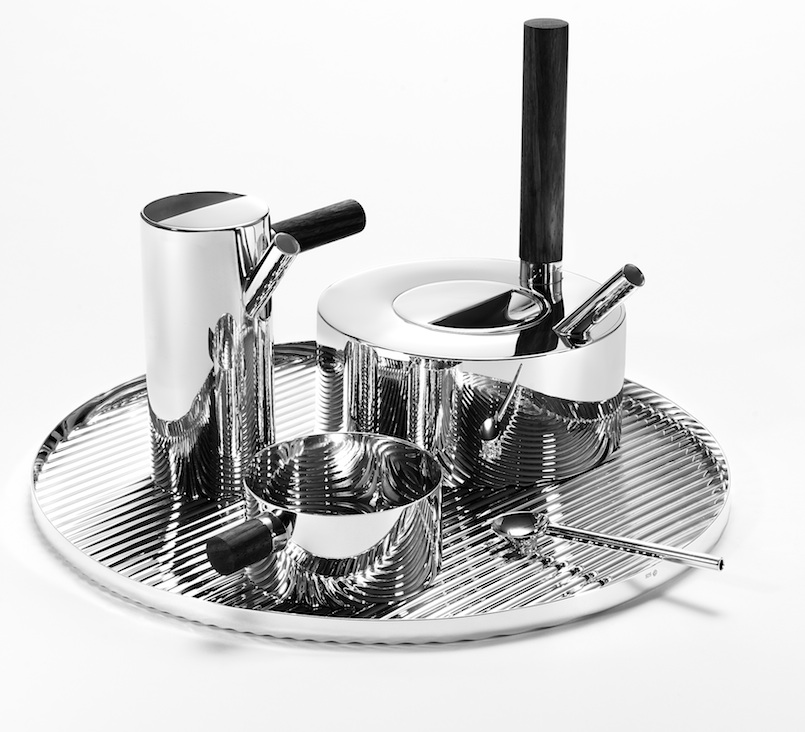
Tomas Alonso's silver tea service (photo by Craig Dillon)

Tomas Alonso’s silver tea service (photo by Craig Dillon)

Although Art Deco reached its apex of influence during the Interwar period, its rich colours, bold geometries and lavish materials (such as sterling silver and ebony) have never really disappeared from fashion.

It is, essentially, timeless. But every once and a while, our collective fascination with the movement’s decor and architecture reaches a new fever pitch. Like right now. The resurgence is the direct result of Baz Luhrmann’s blockbuster adaption of F. Scott Fitzgerald’s Great Gatsby (the sixth such adaption of the 1925 novel, which comes out this Friday). Suddenly, everyone wants an air of the Jazz Age, in their clothes (think shimmering flapper skirts) and in their decor.

Continue reading

Coveted: Carolyn Cameron’s Food-Safe Ice Pop Molds

Carolyn Cameron's Ice Pop Molds

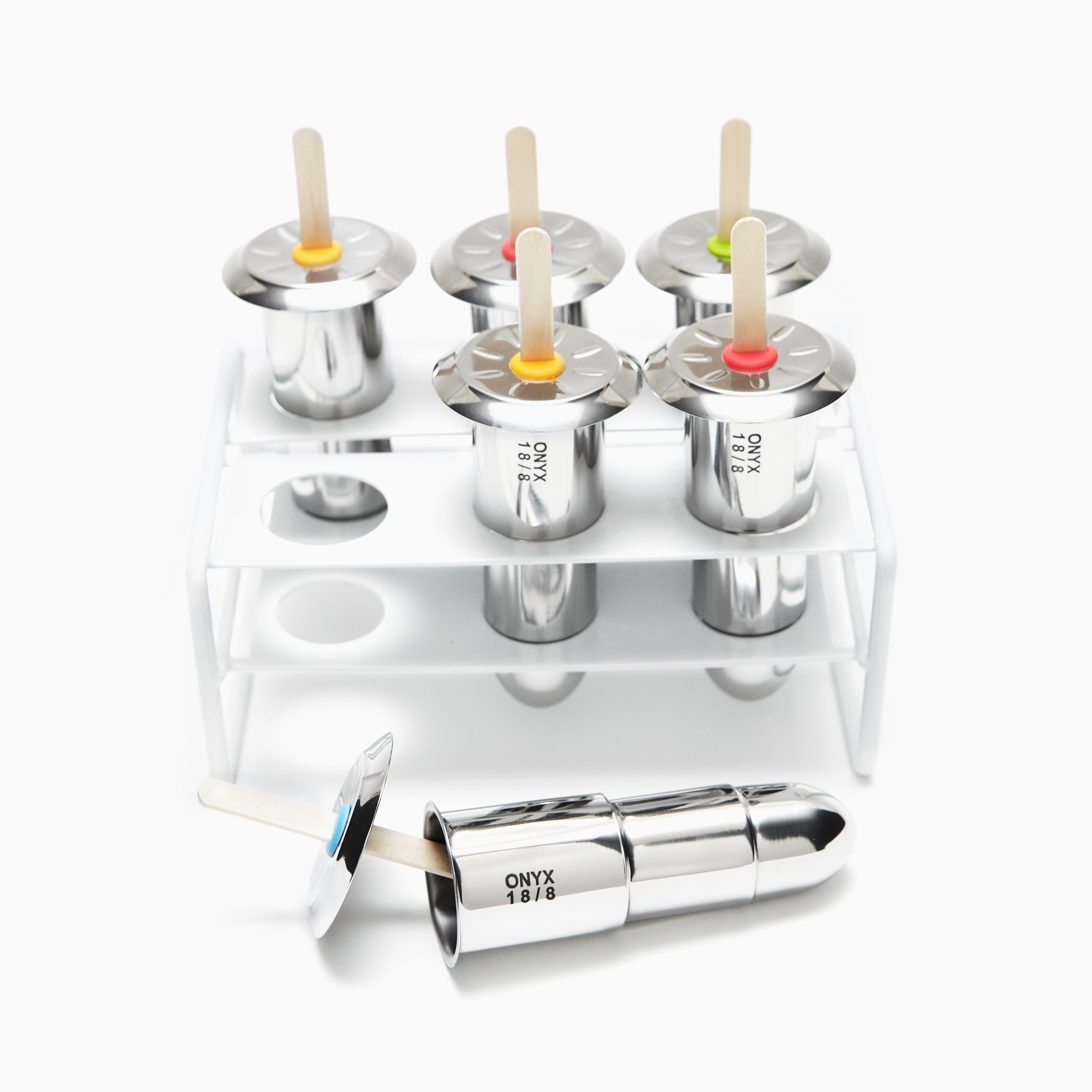
Carolyn Cameron’s Ice Pop Molds

In 2006, when Carolyn Cameron was expecting her first child — a girl named Talulla — she decided her baby would only ever be fed with all-natural, non-toxic bottles, plates and utensils. After struggling to find reasonably priced, BPA-free products on the market, the Vancouverite decided to create her own line — Onyx. Cameron had no experience with industrial design. But, as a graduate of Ryerson University’s acclaimed fashion program with years of experience in the film industry (including outfitting both Brad and Angelina for the big screen), she had a well-hone eye for detail and strong sense of craftsmanship. Her Ice Pop Molds are both pretty to look at and ingeniously practical. They are made from food-safe, 18/8 stainless steel, which has higher nickel content for extra rust-resistance. And the re-usable sticks are bamboo — a sustainably harvested wood with anti-microbial properties and child-proof durability. Ice Pop Molds. $40. thetickletrunk.com.

This piece originally appeared in the Globe and Mail on Thursday, May 9, 2013.

Coveted: Patty Johnson’s Haida Chair

Patty Johnson's Haida Chair

Patty Johnson’s Haida Chair

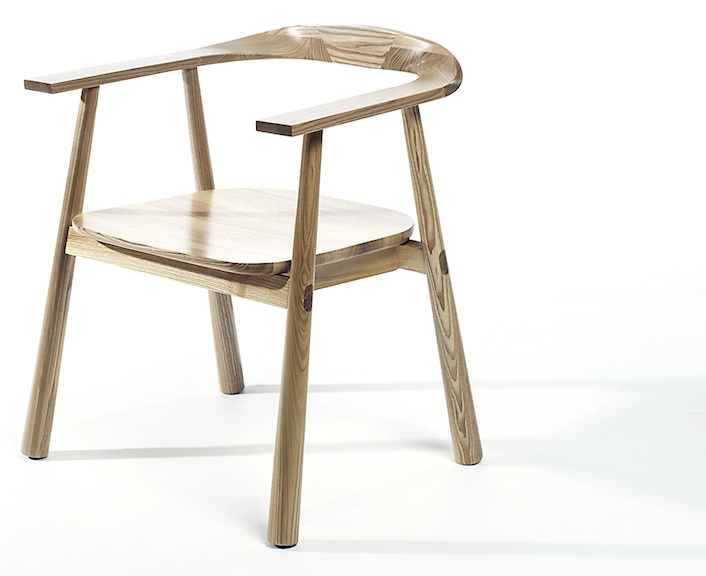
Patty Johnson is a master furniture designer with a deep sense of social responsibility. At her Toronto studio, she crafts the kind of playful-but-sophisticated pieces — neon, rattan-style arm chairs woven from sustainable fibres — that make design editors and critics go goo-goo eyed. She also spends considerable time in places like Haiti and Botswana, helping to promote and develop local artistry and furniture production. Rather than being a sideline effort, her grass roots involvement is what gives character to her higher-end pieces. The recently released Haida chair was inspired by a year Johnson spent working with the First Nations group in the Pacific Northwest. The curved back takes its form from the Haida’s tradition of steam bending cedar; the structure — held together without any fasteners like nails or bolts — has the elegance of a traditional long house. Haida Chair. Price upon request. Mjölk, 2959 Dundas St. W., Toronto, 416-551-9853.

This piece originally appeared in the Globe and Mail on Thursday, May 2, 2013.

Great Spaces: A Yonge and Eglinton Home That’s Designed to Age Gracefully

great-spaces-yonge-and-eglinton-intro

Photo by Derek Shapton

Farzad and Connie started thinking about building a house five years ago when they were living in Cambridge, England. Farzad was finishing his doctorate in management and Connie was working for a Dutch bank. Their two kids were young, and the couple wanted to settle in Toronto, where Farzad grew up (Connie is from Hong Kong). They imagined a house that was minimalist but kid-friendly, environmentally conscious but not visibly so, and most importantly, adaptable. They hired the architect Paul Raff, and the resulting space, on a leafy street near Yonge and Eglinton, feels like a swanky yoga studio minus the mirrored walls. The kitchen is flanked by two identically sized spaces, which can be used interchangeably, as the living room or dining room—Farzad and Connie sometimes swap the two by season, eating next to the big backyard window in summer and cozying up by the same window to read in winter. The basement is kitted out with a kitchen in case their kids boom­erang in their 20s and want their own space. And although the main level of the house is, right now, perfectly suited to family life, it was designed to be converted into a one-level retirement suite in the future, with Farzad’s office becoming a master bedroom and the entryway powder room becoming an ensuite.

For the rest of this story, please see the May 2013 issue of Toronto Life magazine.

Coveted: Six Point Un’s Punk Rock Birdhouses

Six Point Un's graffiti-covered birdhouses

Six Point Un’s graffiti-covered birdhouses

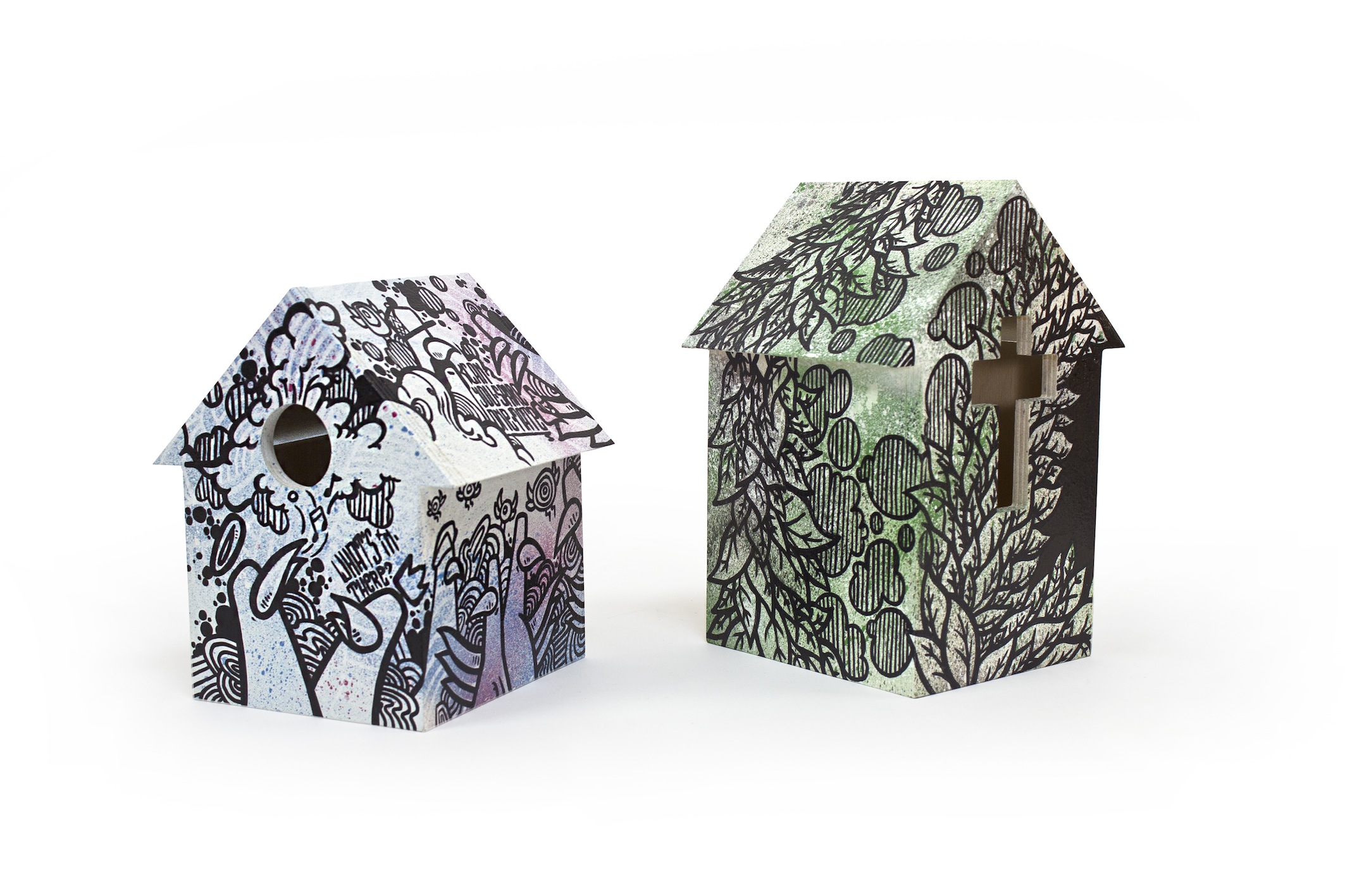
Quebec City is iconic for its old world architecture and cobble-stoned, urban streets. But that’s just the historic core. Much of the provincial capital is made up of diffuse, car-centric suburbs. To some, the extreme dichotomy underscores the eyesore that is modern city planning. To design group Six Point Un, the contrast between the metropolitan and the mundane is endlessly inspiring. Formed two-and-a-half years ago by Quebec City natives Claudia Després and Jérémy Couture, the studio has turned skate boards into swing sets and picket fences into coat racks. The latest product, a series of birdhouses designed in collaboration with graphic artists Matel and Avive, is a particularly pointed mash-up of the seemingly different worlds: generic, pitched roof houses (or churches, as it were) covered in the type of wild, energetic graffiti one would only expect to find in the middle of a city’s downtown. $150 each.  Through sixpointun.ca.

This piece originally appeared in the Globe and Mail on Thursday, April 25, 2013.