Coveted: A Pair of Maple Knives

The Federal's Maple Knives

The Federal’s Maple Knives

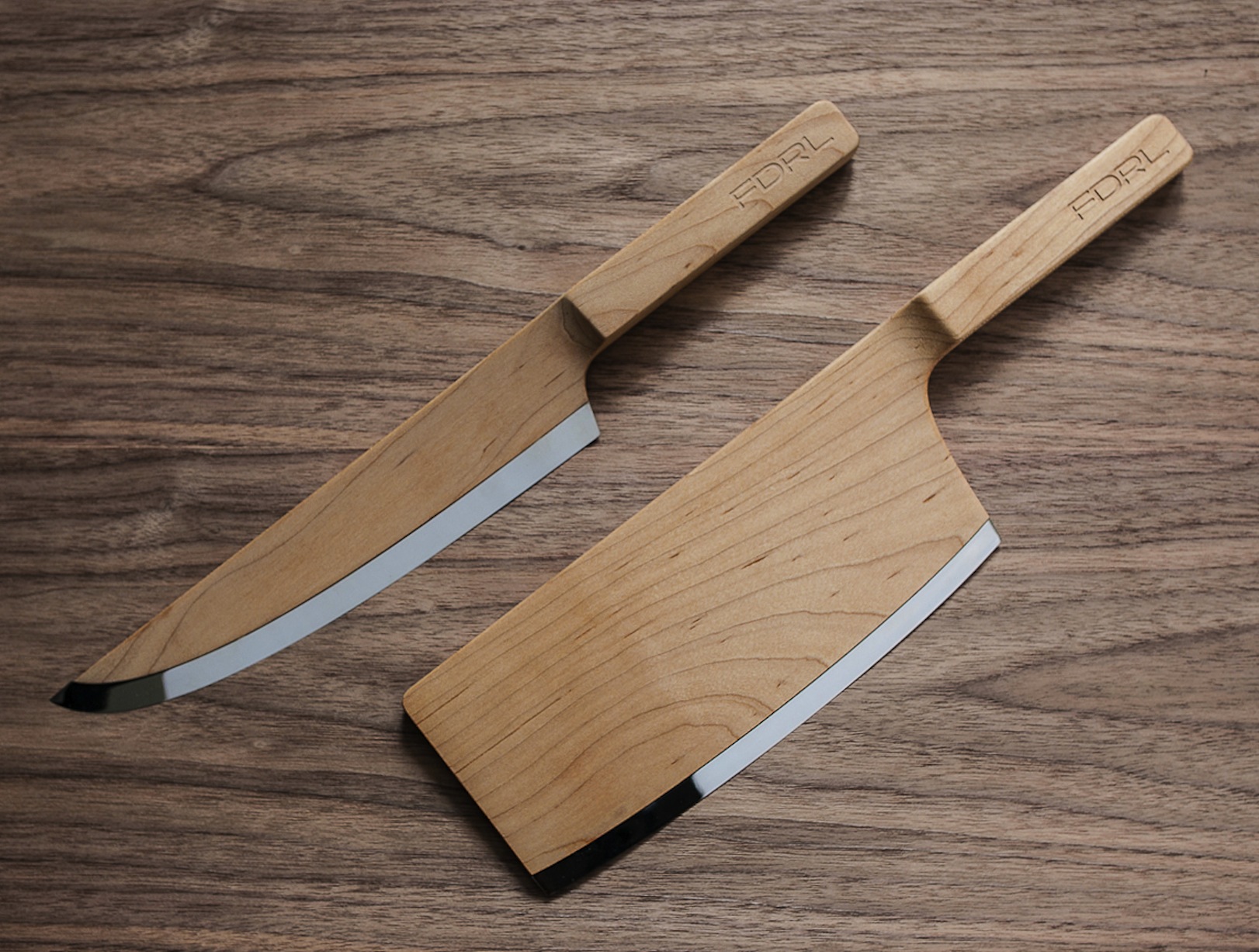
When friends and industrial designers Ian Murchison and Rohan Thakar left their jobs at Research in Motion a few years ago, they wanted to work on projects that had a more organic quality. So the Carleton grads started the Federal, an Ottawa-based studio that makes tactile, nature-friendly products such as sheep’s wool earmuffs and plywood desk lamps. Even their knives have a soft side. While most tools of butchery have a menacing look, these blades are more aptly described as warm. With the exception of the honed metal edges, they are made entirely of sealed, food-safe Canadian maple – the waving grain of the wood giving them a gentle, painterly effect. Through thefederal.co.

This piece originally appeared in the Globe and Mail on Thursday, March 14, 2013.
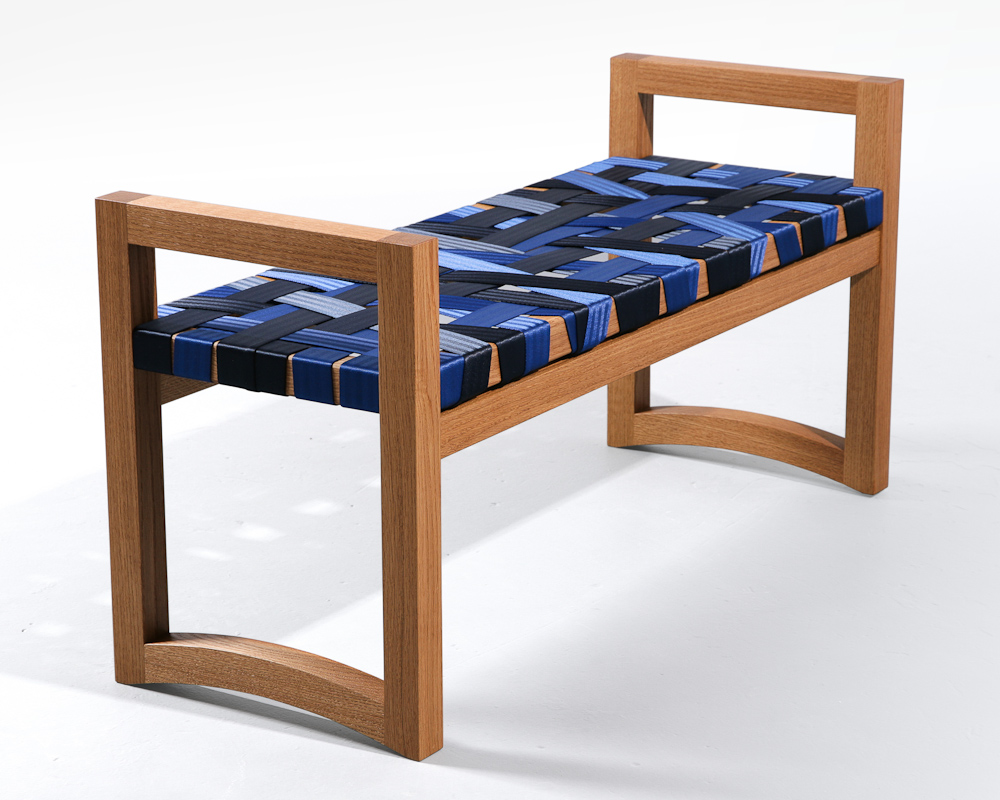
Coveted: Christopher Solar’s Strapping Bench

Christopher Solar's Strap Bench

Christopher Solar’s Strap Bench

Seven years ago, Christopher Solar gave up a career as a software developer and began teaching himself the art of furniture making. After he mastered the classics, the Ottawa-based designer got creative. His Strap Bench is strung with a colourful, almost chaotic top made from seat-belt webbing (the brightly hued kind used in custom hot rods, not your typical sedans). It’s Solar’s wink at traditional weaving techniques, done with an updated, post-industrial sense of ingenuity. And although the taut, crisscrossing pattern looks random, it’s anything but – each strap is carefully placed to ensure the right level of give and support as you sit. From $1,600 through christophersolar.com.

This piece originally appeared in the Globe and Mail on Thursday, March 7, 2013.

The Comeback: Felt — Not Just For Fedoras Anymore

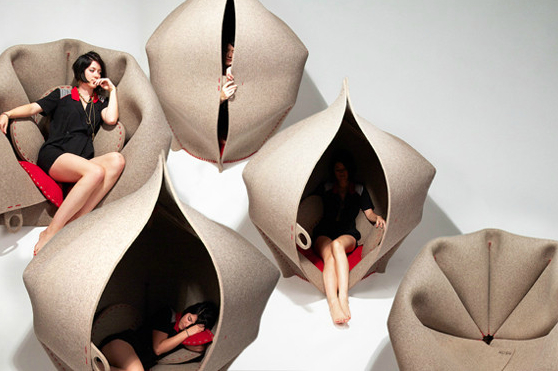
felt-pod

Felt is old school. The cloth – usually made of matted, compressed wool or rayon fibres – is the stuff of granddads’ fedoras and grannies’ crafting kits. But its roots go deeper, back thousands of years, when Asiatic tribes developed the textile for clothing, blankets and to insulate their yurts.

Today, many of us use felt unknowingly – as the lining in a car bra, the scuff protector on chair legs. It’s a practical material, but its aesthetic qualities – fuzzy, earthy, a bit Muppet-like – can seem a little fusty.

Recently though, interior designers, architects and furniture makers have been using the age-old material in bold new ways, turning it into something rich, dramatic and luxurious.

Continue reading

Home, Surreal Home: 5 Irreverent Decor Finds

Cassettone (W)hole _F the Classics_F.Laviani_high

As a movement, surrealism is most often associated with highbrow arts like painting, literature and film (the macabre image of ants pouring out of a wounded hand, from Luis Buñuel’s seminal movie Un Chien Andalou, is as unsettling today as it would have been when it was first shown in 1929). But it also lends itself well to more commonplace fixations like industrial design and home decor.

After all, in the original, 1924 Manifesto of Surrealism, poet Andre Breton pointed to man’s general disaffection for the “objects he has been led to use, objects that his nonchalance has brought his way.”  And one of the delights of surrealism is the way it electrifies the unremarkable with its strange colours, dream-like sense of possibility and irreverence for rules. The violin, for example, will forever be more beautiful because May Ray likened it to a ladies nude back with his 1924 photograph, Le Violon d’Ingres.

Continue reading

Why Uneven Floors Might be a Good Thing

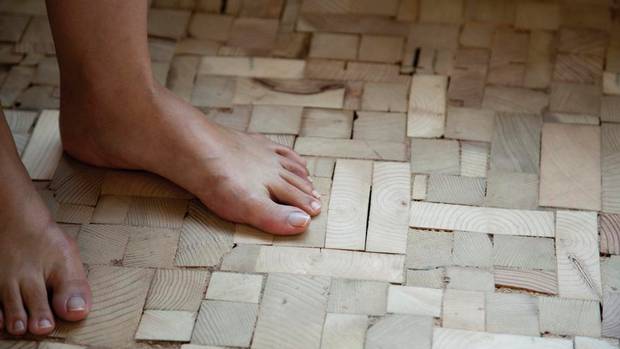
403architecture's texture-rich flooring

403architecture’s texture-rich flooring

Outside of funhouses and roller rinks, warped floors are usually considered a defect rather than a virtue. They make it impossible to place furniture (unless you like wobbly tables), are the bane of health and safety nuts (two words: trip hazard) and often warrant a call to a contractor (it’s possible the subfloor needs replacing).

But avant garde architects and interior deisgners have been embracing uneven surfaces for the past few years. It’s partially for the aesthetics — there’s something undeniably striking, even if disconcerting, about a rippling ground plane — and partially for the health benefits. An influential 2005 study by the Oregon Research Institute suggested that walking on uneven terrain lowers blood pressure and improves balance (which diminishes the inherent trip risks). The scholarship only confirmed what practitioners of traditional Chinese medicine have long believed — that walking on challenging topography is a good idea (which is why many elderly in China make a routine of strolling, dancing and standing on rugged, cobblestone walking paths).

Continue reading

Coveted: Igloo Design’s Gorgeous Bar Cart

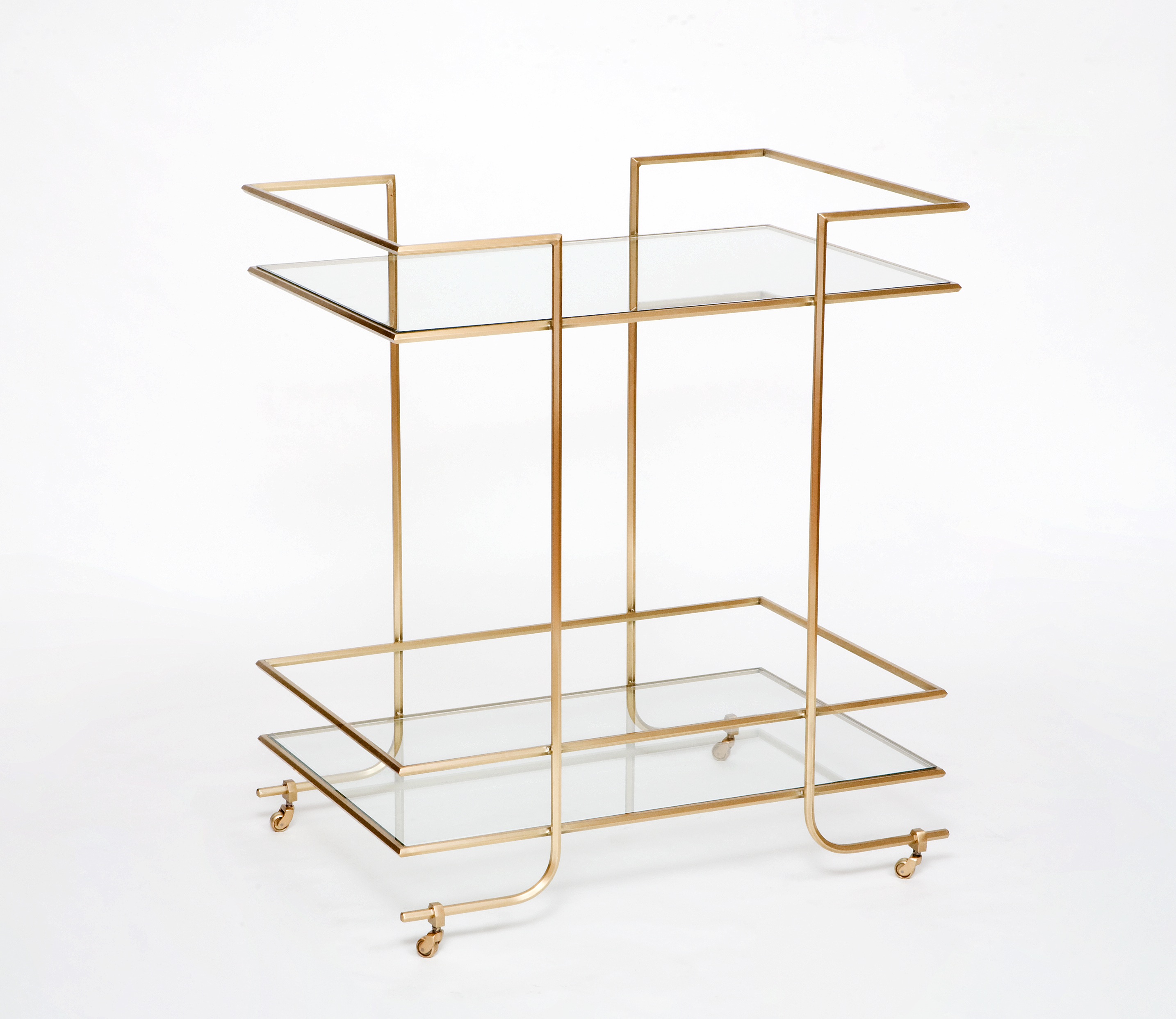
Anna Abbruzzo's Bar Cart

Anna Abbruzzo’s Bar Cart

As co-founder of Montreal’s award-winning Igloo Design, Anna Abbruzzo has worked on restaurant interiors, homes, websites, brand strategies and business cards. Furniture, though, was something she always wanted to try. Creating the perfect piece requires a deep knowledge of ergonomics, finesse with finicky materials and the ability to work with really tiny wheels. That’s why it took a full year (and countless iterations) to develop her first effort – an elegant trolley, the kind that was popular in the 1920s for serving tea or cocktails. The cart is both subtle and luminous, with its sleek Art Deco lines and shimmering brass finish. $4,500. For more information, contact hello@igloodesign.ca.

This piece originally appeared in the Globe and Mail on Thursday, January 17, 2013.

Coveted: A Sealskin Cell Phone Pouch

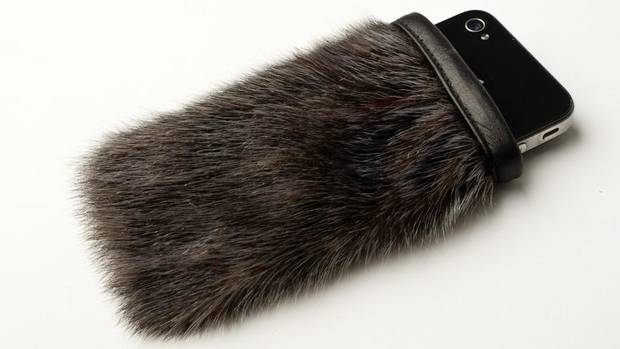
Kiluk's Sealskin iPhone Holder

Kiluk’s sealskin iPhone holder

It can take a long time for trendy tech to reach the remote Canadian north. The iPhone, for example, came to Nunavut in 2008, a year after the rest of the country (which, in cellphone years, is an eternity). But when the latest gadget arrives, it gets a uniquely northern welcome from designer Sherlyn Kadjuk. At her Arviat, Nunavut-based studio, Kiluk, she hand-makes laptop bags, iPad cases and smartphone covers out of sealskin. The silvery totes are sleek and sophisticated, but the fur adds the kind of warmth and coziness that could only come from one of the coldest regions on Earth — the shores of Hudson Bay. From $37.50. Through ivalu.ca.

This piece originally appeared in the Globe and Mail on Thursday, January 3, 2013.

DIY Ikea? Design Mavens Are Personalizing Flat-Pack Furniture in Clever Ways

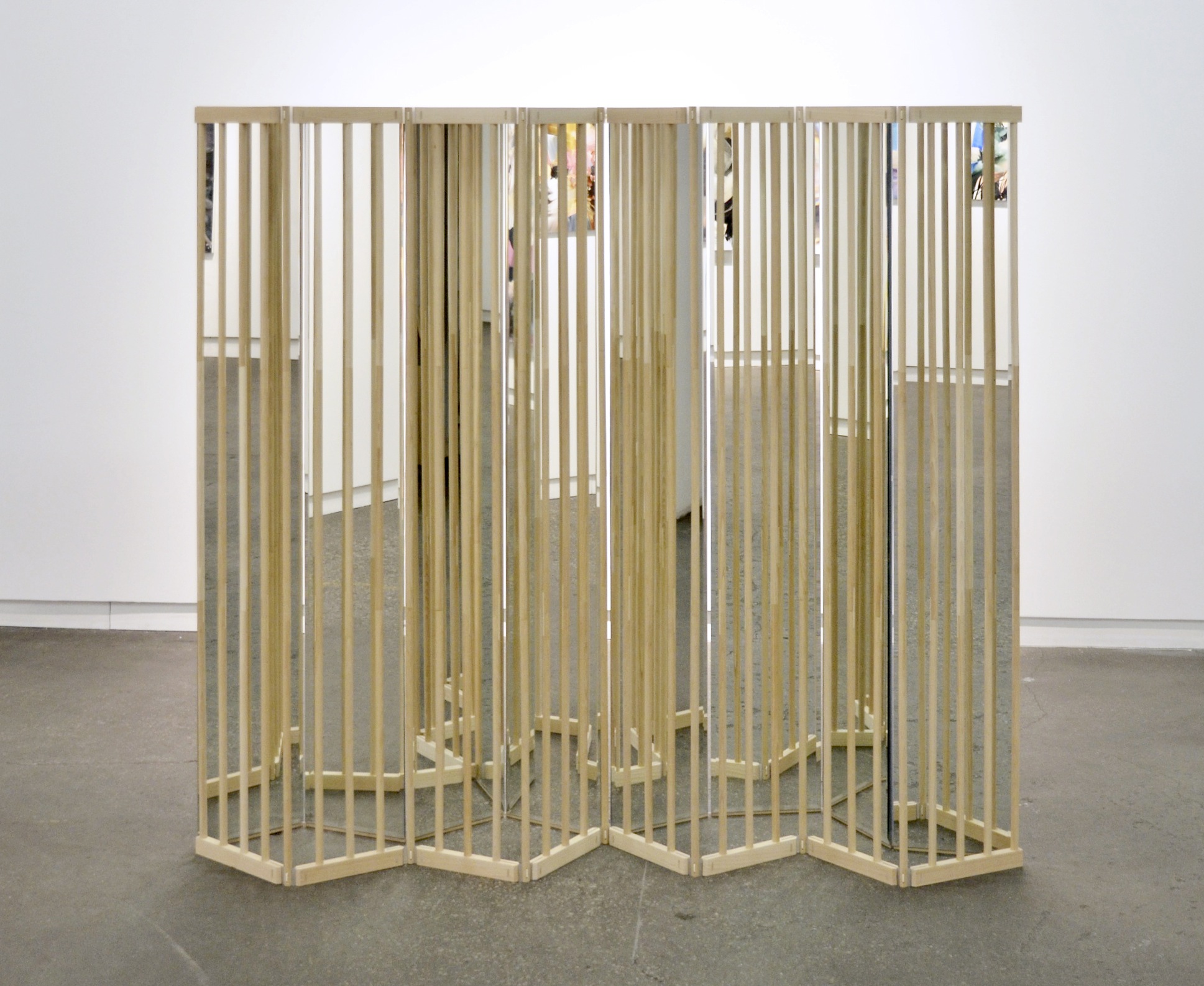
Designer Scott Barker's Ikea-Hacked Wall Screen

Designer Scott Barker’s Ikea-Hacked Wall Screen

Ikea hacking. It sounds violent, like what you might do with a wood chipper and an impossible-to-assemble Pax wardrobe or an Expedit entertainment unit (after you’ve pulled out all your hair). But while Ikea hacking often involves saws and X-Acto knives – even blowtorches – it’s less about destruction than it is about creativity and personalizing flat-pack furniture in clever, playful or straight-up crazy ways.

It’s a trend that has been growing for years – fuelled by two things: our collective desire to pay as little as possible for our furniture; and our equally strong desire not to have the exact same living or dining room set as the neighbours (which is hard to avoid, considering that Canada’s 11 Ikea stores attract about 25 million customers a year).

Continue reading

Coveted: Tomas Rojcik’s Pendant Lights

Tomas Rojcik's Pendant 45

Tomas Rojcik’s Pendant 45

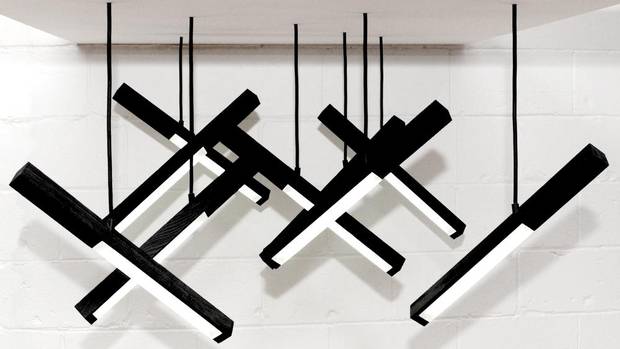
After graduating from Sheridan College’s furniture design program this year, Tomas Rojcik has been living and working in Toronto’s slowly gentrifying Junction neighbourhood. But the rugged beauty of northern Ontario, where his family camped when he was growing up, is what captivates his imagination. His first major production piece, Pendant 45, is minimal and modern, yet reflects the outdoor summertime ritual of campfires. The ash wood casings have been sandblasted and painted black to look like charred kindling, while the glowing LED light strips evoke smouldering embers. From $1,850. Through Caviar20.com. Photo by Ivy Lin.

This piece originally appeared in the Globe and Mail on Thursday, November 29, 2012.

Great Spaces: A Rosedale Couple Fills Their Condo with Curios Gathered Over 51 Years Together

Photo by Michael Graydon

Photo by Michael Graydon

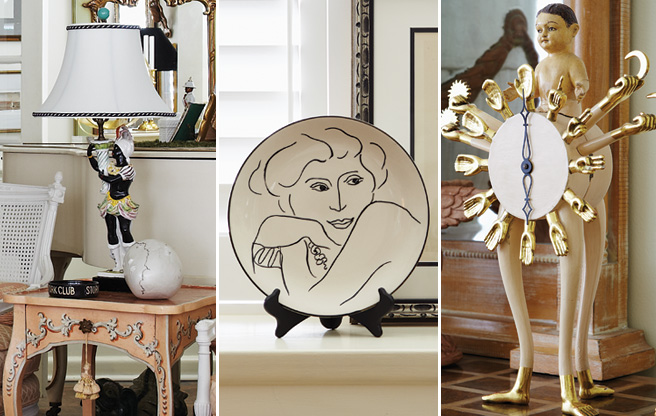
Alan Hanlon and Andy Body rarely entertain at home. They prefer socializing at the Ritz-Carlton or La Société, and reserve invitations to their 1,800-square-foot Rosedale condo for the closest of friends—who are given an unforgettable lesson in gracious living. Now retired, Body spent his career as a choreographer and as a television director with the CBC. Hanlon worked for Rothmans, building its corporate art collection and organizing travelling exhibits for galleries like the AGO. The two of them have mixed and mingled with some of the most influential talents and talked-about people of the 20th century—Andy Warhol, Pierre Trudeau, Liza Minnelli—while travelling the world. Their home is an intensely personal reflection of their 51 years together. They can effortlessly recall the backstory of every painting, rug or chair. They’re both around 80, but the tales they tell make them seem like mischievous teenagers. Standing in front of a small etching, Body lowers his voice to a whisper. “I almost never show this to people. They think it’s just a sketch. They say, ‘Nice drawing.’ ” Turns out it’s a Rembrandt.

For the rest of this story, please see the October 2012 issue of Toronto Life magazine.