Coveted: Brenda Watts’ French Rolling Pin

Brenda Watts' French Rolling Pin

Brenda Watts’ French Rolling Pin

A French-style rolling pin is ideal for pastry. The tapered ends pivot to work the dough into pie-crust-perfect circles, and the slender profile applies only a gentle touch, which helps keep tarts and croissants flaky. Carpenter Brenda Watts has been making them at Cattails, her Hermitage, PEI, studio, for the past decade. She started making them because her sister, who is a baker and worked at a kitchen store, wanted a French pin for herself. Watts, who studied woodworking at Holland College, uses locally harvested flame birch and brings out the wood’s naturally flamboyant grain by sanding it to a sheen then finishing it with sunflower oil and beeswax from a local beekeeper. Aspiring Julia Childs will appreciate its soft, warm grip. Everyone else will just admire how good it looks on the kitchen counter. French rolling pin. 22 “ l. x 2” dia. $50. Through shopbrendawattswoodwork.com.

This piece originally appeared in the Globe and Mail on Thursday, March 28, 2013.
Coveted: A Fuzzy Felt Owl

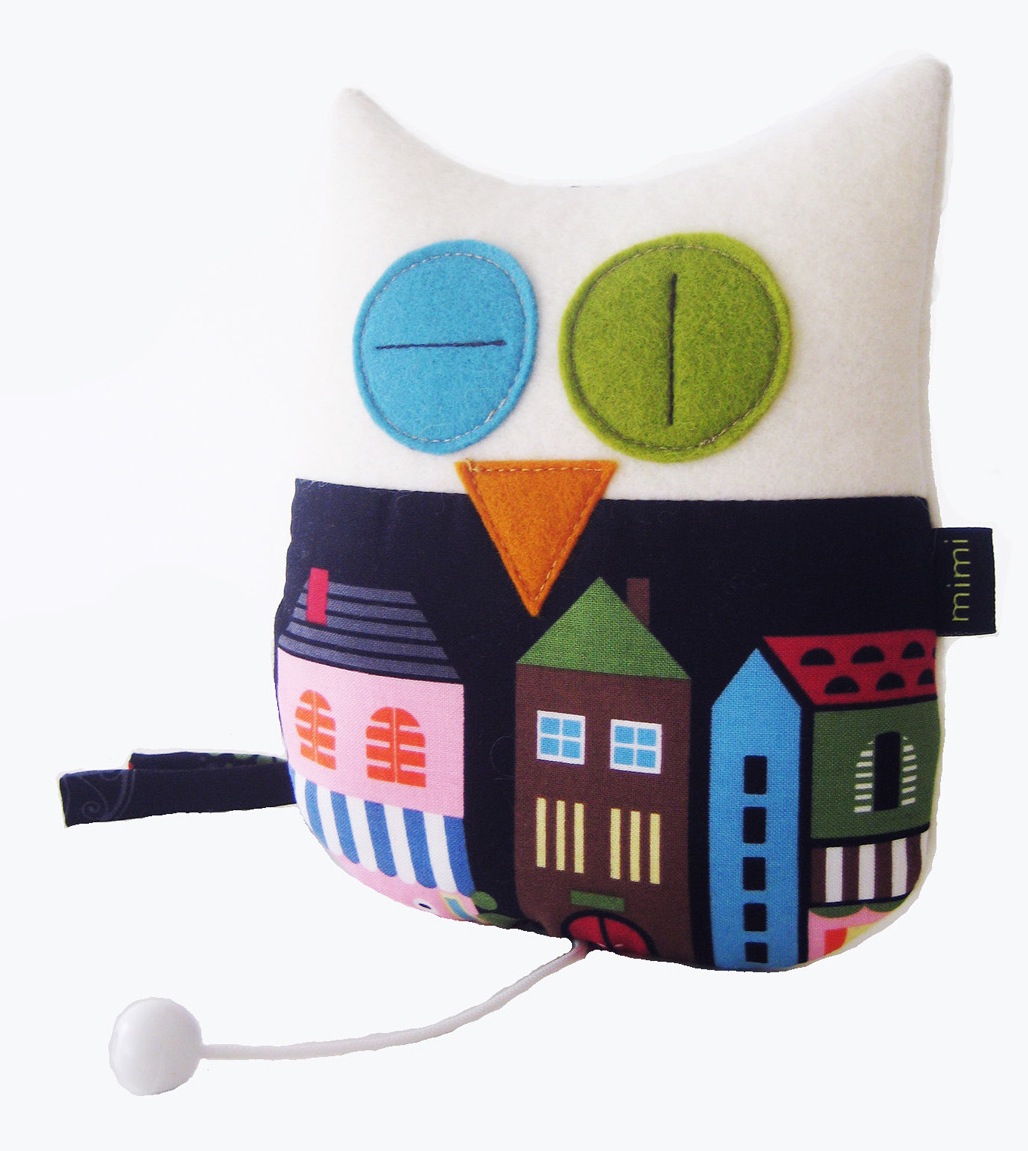
Marja Koskela's Owl Musicbaby

Marja Koskela’s Owl Musicbaby

When her son was born eight years ago, Vancouver-based designer Marja Koskela welcomed him with an owl-shaped, music-playing crib hanger. She wanted a way to serenade him with Braham’s lullaby that was a bit less girly than the pink music box she had growing up. Koskela knew it was a hit when her son didn’t want to give up the felt toy, even long after he had outgrown his cradle (he kept it in his bed with his other stuffed animals until he was four). Now, she sells them all over the world, from Ireland to New Zealand — and not just to new parents, but to the young at heart who want a quirky piece of decor to hang under their kitchens cupboards. Owl Musicbaby. $30. Through etsy.com/shop/mimishop.

This piece originally appeared in the Globe and Mail on Thursday, March 21, 2013.

Ditches, Beaches and Woods: Where Designers go to Forage

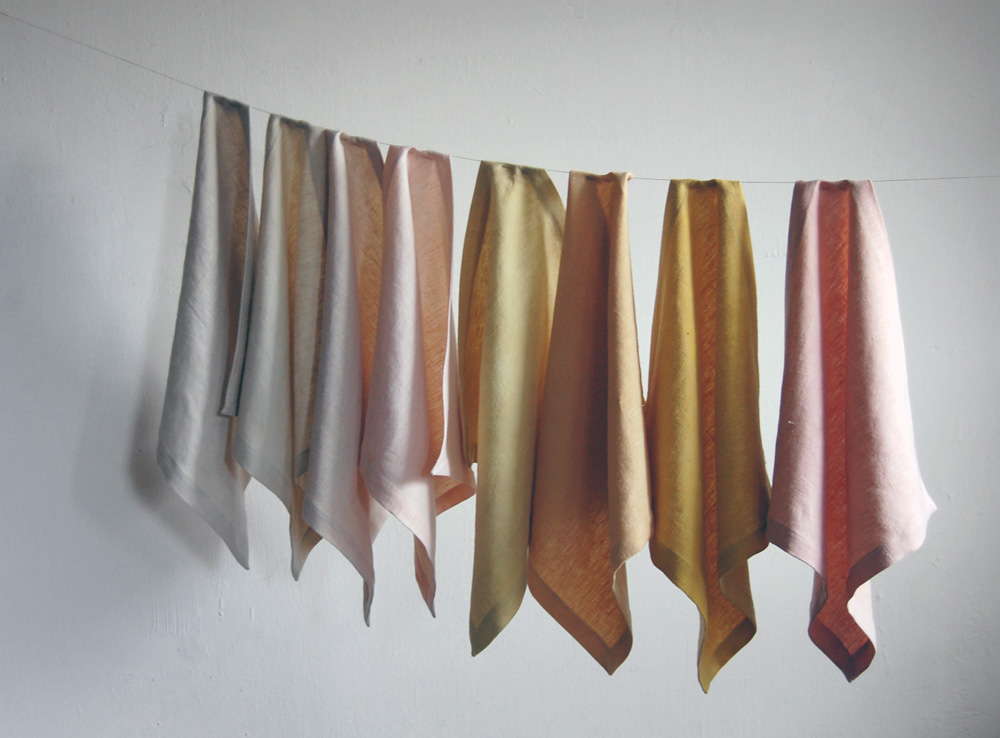
Natalie Stopka's Napkins

Natalie Stopka’s Napkins

For devout foodies, scavenging through public parks and roadside ditches to pick wild, esoteric ingredients is an almost sacred ritual. Although the yields are small, the thistles, berries and greens they collect are nutrient-packed, deeply flavourful and, perhaps most importantly, not what the neighbours are eating.

But gourmands aren’t the only ones out foraging. Pioneering designers, including furniture makers and architects, are uprooting their own raw materials to make everything from cabinetry to structural columns. Turns out there are lots of aesthetic possibilities when working with forage. Roadside weeds can be boiled down to dye textiles, for example, while a naturally fallen tree can make a fetching coffee table.

Continue reading

Coveted: Christopher Solar’s Strapping Bench

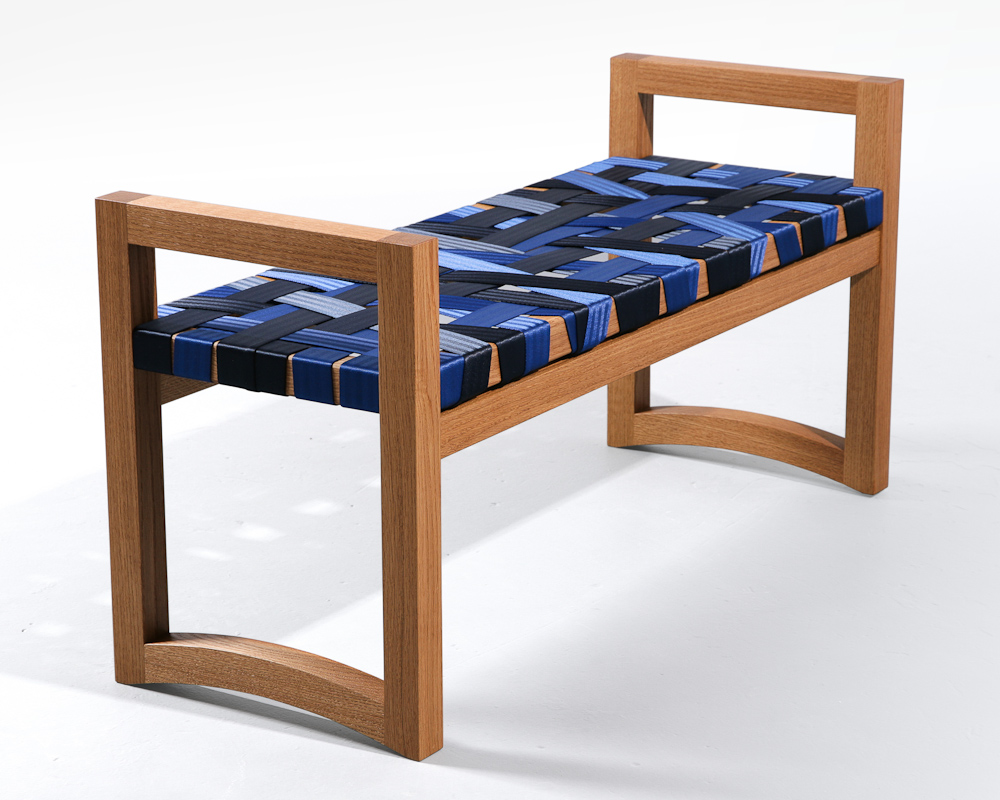
Christopher Solar's Strap Bench

Christopher Solar’s Strap Bench

Seven years ago, Christopher Solar gave up a career as a software developer and began teaching himself the art of furniture making. After he mastered the classics, the Ottawa-based designer got creative. His Strap Bench is strung with a colourful, almost chaotic top made from seat-belt webbing (the brightly hued kind used in custom hot rods, not your typical sedans). It’s Solar’s wink at traditional weaving techniques, done with an updated, post-industrial sense of ingenuity. And although the taut, crisscrossing pattern looks random, it’s anything but – each strap is carefully placed to ensure the right level of give and support as you sit. From $1,600 through christophersolar.com.

This piece originally appeared in the Globe and Mail on Thursday, March 7, 2013.

The Comeback: Felt — Not Just For Fedoras Anymore

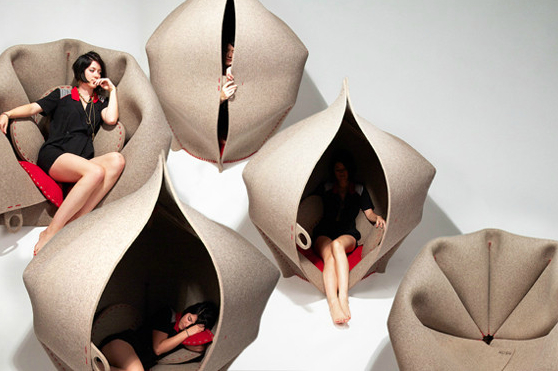
felt-pod

Felt is old school. The cloth – usually made of matted, compressed wool or rayon fibres – is the stuff of granddads’ fedoras and grannies’ crafting kits. But its roots go deeper, back thousands of years, when Asiatic tribes developed the textile for clothing, blankets and to insulate their yurts.

Today, many of us use felt unknowingly – as the lining in a car bra, the scuff protector on chair legs. It’s a practical material, but its aesthetic qualities – fuzzy, earthy, a bit Muppet-like – can seem a little fusty.

Recently though, interior designers, architects and furniture makers have been using the age-old material in bold new ways, turning it into something rich, dramatic and luxurious.

Continue reading

Home, Surreal Home: 5 Irreverent Decor Finds

Cassettone (W)hole _F the Classics_F.Laviani_high

As a movement, surrealism is most often associated with highbrow arts like painting, literature and film (the macabre image of ants pouring out of a wounded hand, from Luis Buñuel’s seminal movie Un Chien Andalou, is as unsettling today as it would have been when it was first shown in 1929). But it also lends itself well to more commonplace fixations like industrial design and home decor.

After all, in the original, 1924 Manifesto of Surrealism, poet Andre Breton pointed to man’s general disaffection for the “objects he has been led to use, objects that his nonchalance has brought his way.”  And one of the delights of surrealism is the way it electrifies the unremarkable with its strange colours, dream-like sense of possibility and irreverence for rules. The violin, for example, will forever be more beautiful because May Ray likened it to a ladies nude back with his 1924 photograph, Le Violon d’Ingres.

Continue reading

Coveted: Igloo Design’s Gorgeous Bar Cart

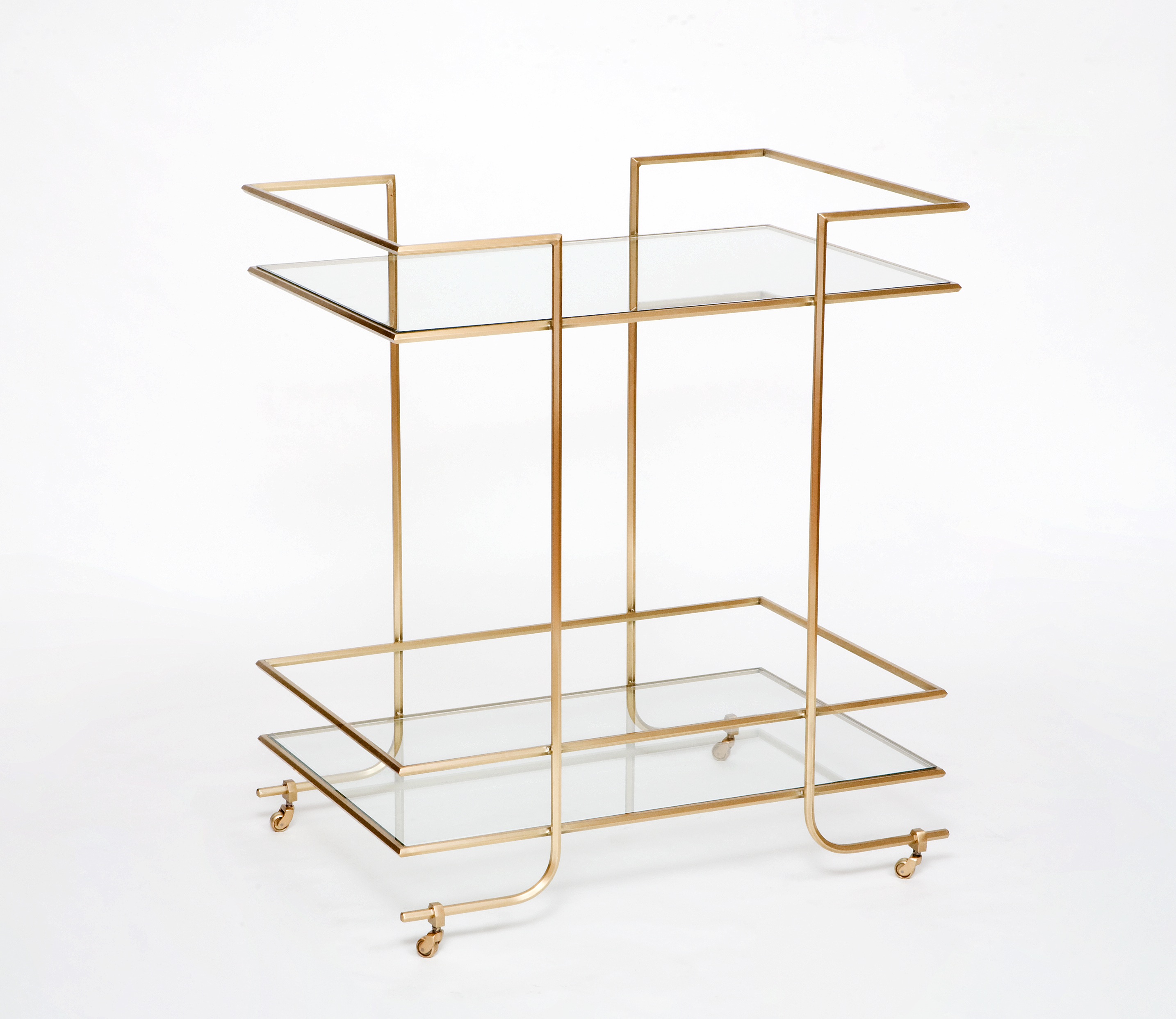
Anna Abbruzzo's Bar Cart

Anna Abbruzzo’s Bar Cart

As co-founder of Montreal’s award-winning Igloo Design, Anna Abbruzzo has worked on restaurant interiors, homes, websites, brand strategies and business cards. Furniture, though, was something she always wanted to try. Creating the perfect piece requires a deep knowledge of ergonomics, finesse with finicky materials and the ability to work with really tiny wheels. That’s why it took a full year (and countless iterations) to develop her first effort – an elegant trolley, the kind that was popular in the 1920s for serving tea or cocktails. The cart is both subtle and luminous, with its sleek Art Deco lines and shimmering brass finish. $4,500. For more information, contact hello@igloodesign.ca.

This piece originally appeared in the Globe and Mail on Thursday, January 17, 2013.

Coveted: A Sealskin Cell Phone Pouch

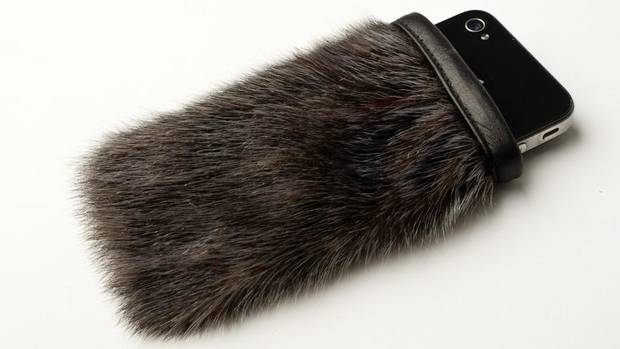
Kiluk's Sealskin iPhone Holder

Kiluk’s sealskin iPhone holder

It can take a long time for trendy tech to reach the remote Canadian north. The iPhone, for example, came to Nunavut in 2008, a year after the rest of the country (which, in cellphone years, is an eternity). But when the latest gadget arrives, it gets a uniquely northern welcome from designer Sherlyn Kadjuk. At her Arviat, Nunavut-based studio, Kiluk, she hand-makes laptop bags, iPad cases and smartphone covers out of sealskin. The silvery totes are sleek and sophisticated, but the fur adds the kind of warmth and coziness that could only come from one of the coldest regions on Earth — the shores of Hudson Bay. From $37.50. Through ivalu.ca.

This piece originally appeared in the Globe and Mail on Thursday, January 3, 2013.

DIY Ikea? Design Mavens Are Personalizing Flat-Pack Furniture in Clever Ways

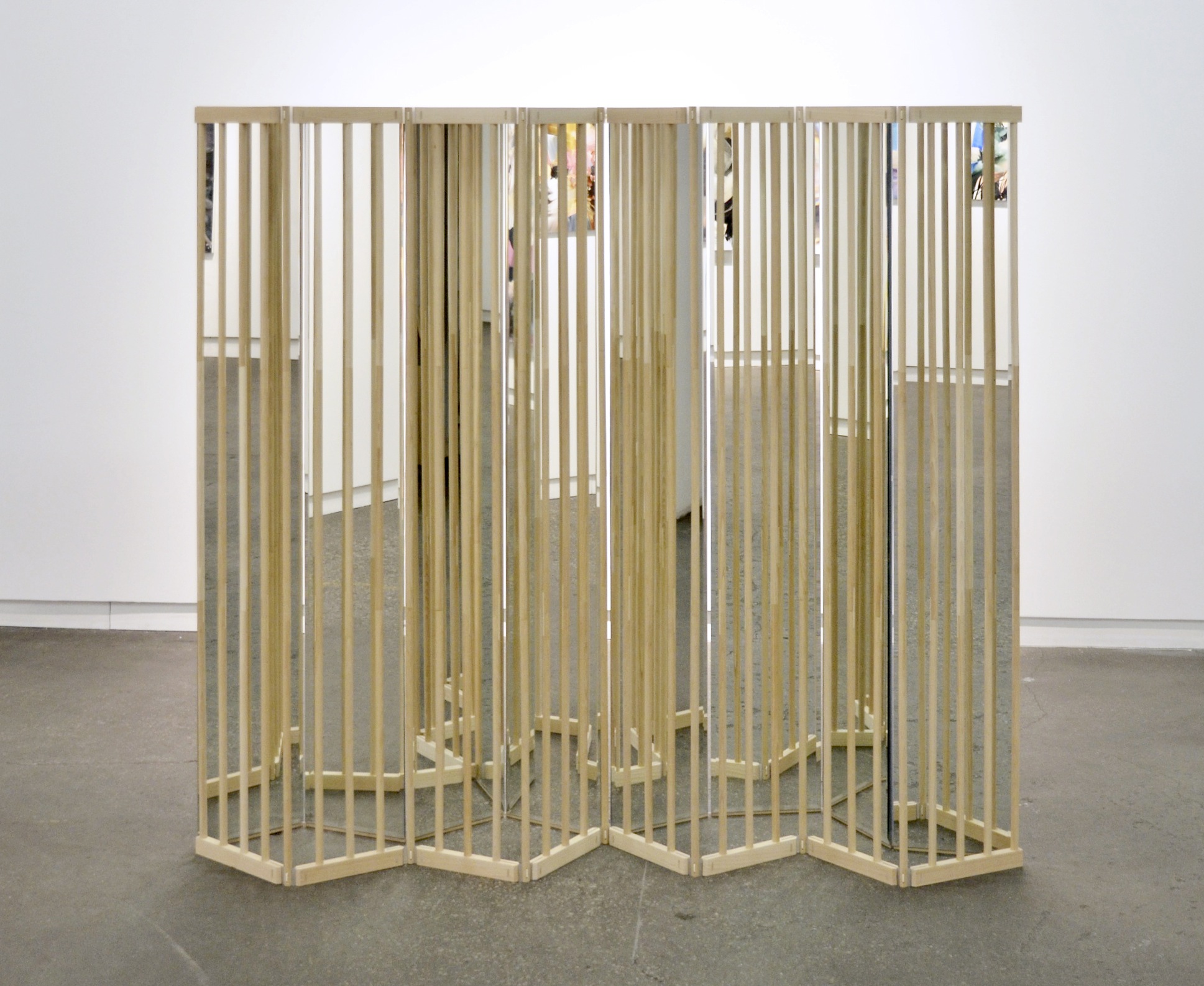
Designer Scott Barker's Ikea-Hacked Wall Screen

Designer Scott Barker’s Ikea-Hacked Wall Screen

Ikea hacking. It sounds violent, like what you might do with a wood chipper and an impossible-to-assemble Pax wardrobe or an Expedit entertainment unit (after you’ve pulled out all your hair). But while Ikea hacking often involves saws and X-Acto knives – even blowtorches – it’s less about destruction than it is about creativity and personalizing flat-pack furniture in clever, playful or straight-up crazy ways.

It’s a trend that has been growing for years – fuelled by two things: our collective desire to pay as little as possible for our furniture; and our equally strong desire not to have the exact same living or dining room set as the neighbours (which is hard to avoid, considering that Canada’s 11 Ikea stores attract about 25 million customers a year).

Continue reading

Coveted: Tomas Rojcik’s Pendant Lights

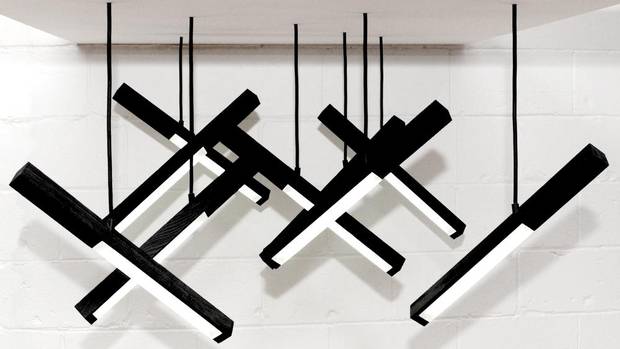
Tomas Rojcik's Pendant 45

Tomas Rojcik’s Pendant 45

After graduating from Sheridan College’s furniture design program this year, Tomas Rojcik has been living and working in Toronto’s slowly gentrifying Junction neighbourhood. But the rugged beauty of northern Ontario, where his family camped when he was growing up, is what captivates his imagination. His first major production piece, Pendant 45, is minimal and modern, yet reflects the outdoor summertime ritual of campfires. The ash wood casings have been sandblasted and painted black to look like charred kindling, while the glowing LED light strips evoke smouldering embers. From $1,850. Through Caviar20.com. Photo by Ivy Lin.

This piece originally appeared in the Globe and Mail on Thursday, November 29, 2012.